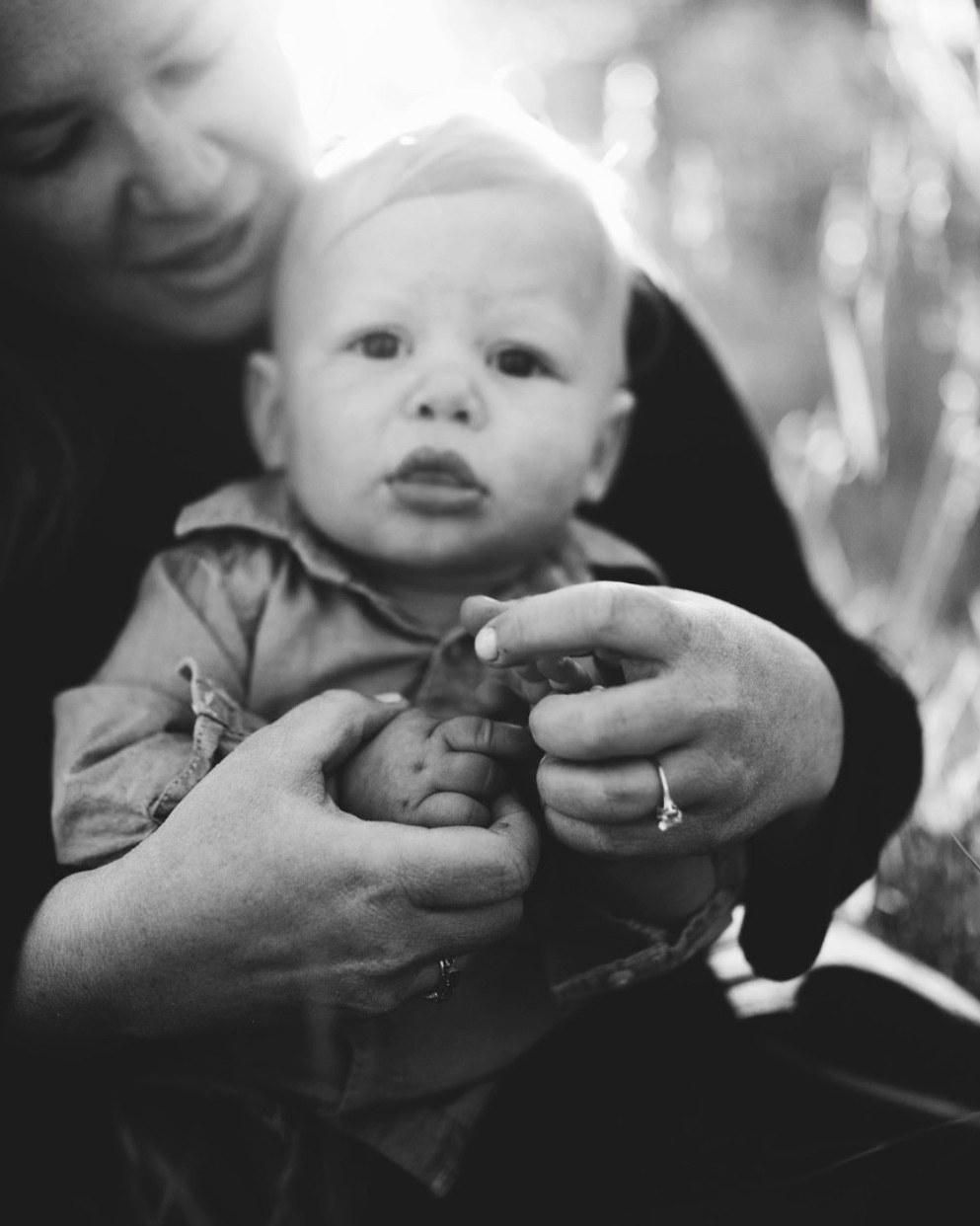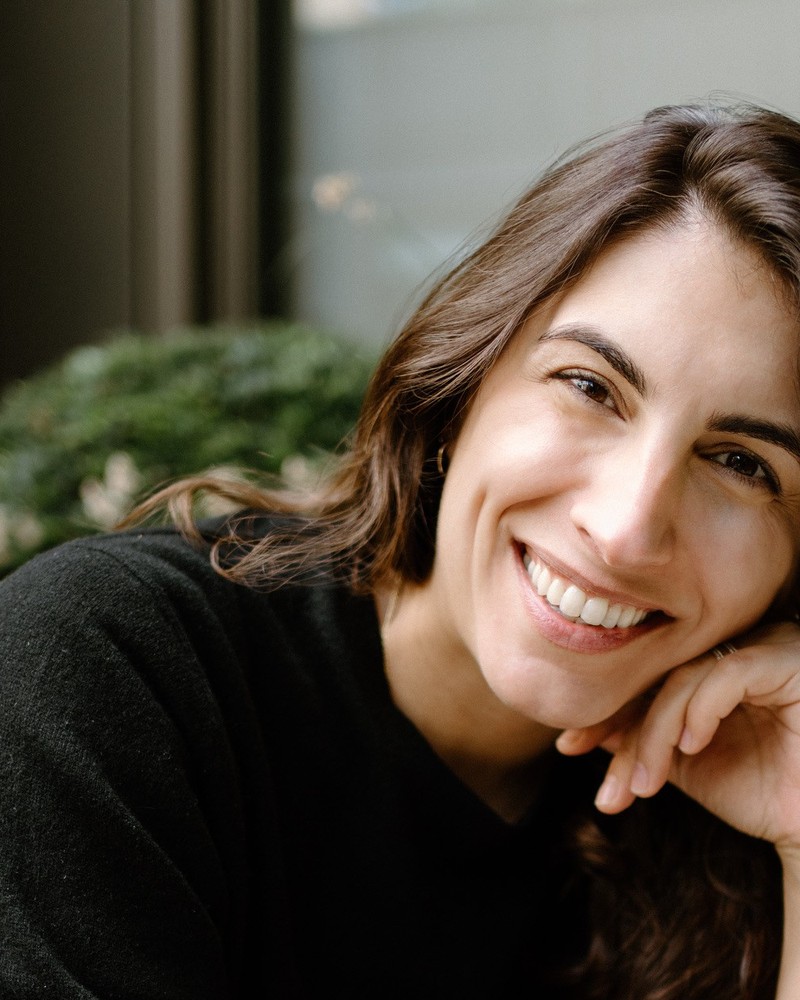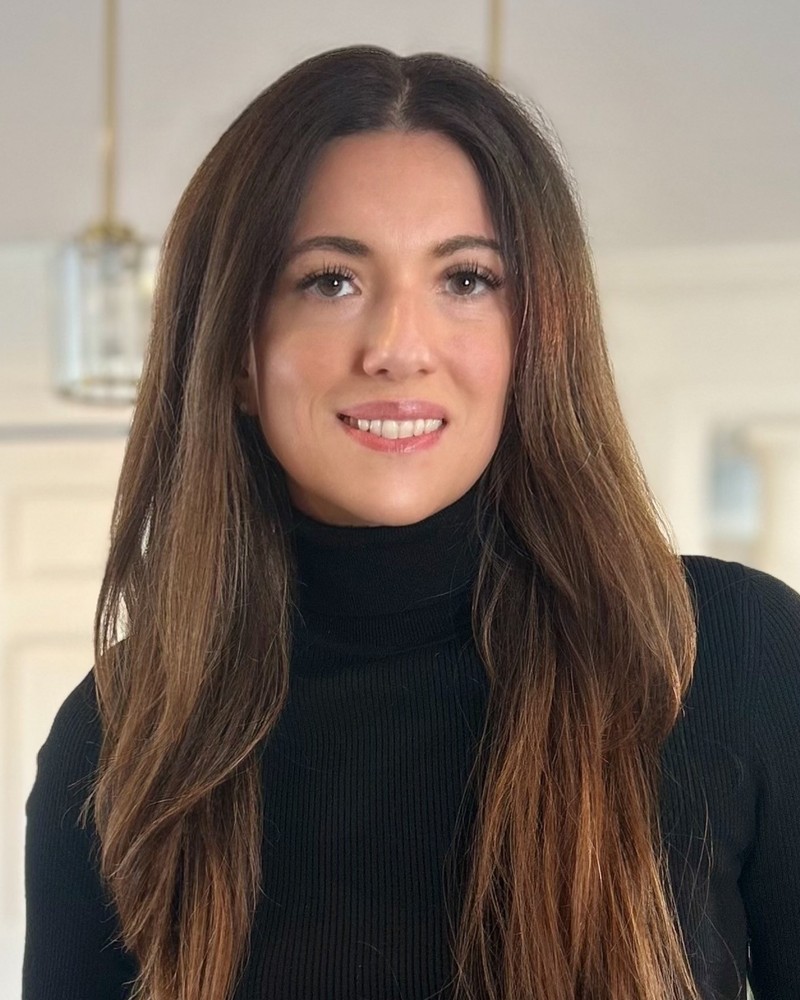
ERIN SCHLOZMAN
VOICES OF MATRESCENCE: The Myth of the Perfect Mom
Motherhood is often framed as instinctive and intuitive. But for many women, the transition into motherhood, known as matrescence, is far more complex.
Erin Schlozman, a maternal mental health therapist and author of “The Myth of the Perfect Mom,” has built her career helping mothers understand that complexity.
In this conversation with Mothered, she reflects on postpartum transformation, perfectionism, and the quiet strength that emerges when mothers stop trying to be perfect.
And watch her exclusive video interview on the Between Meetings & Motherhood podcast here.
What was it about your own postpartum experience that made you pivot from traditional therapy to building a public platform and community for mothers?
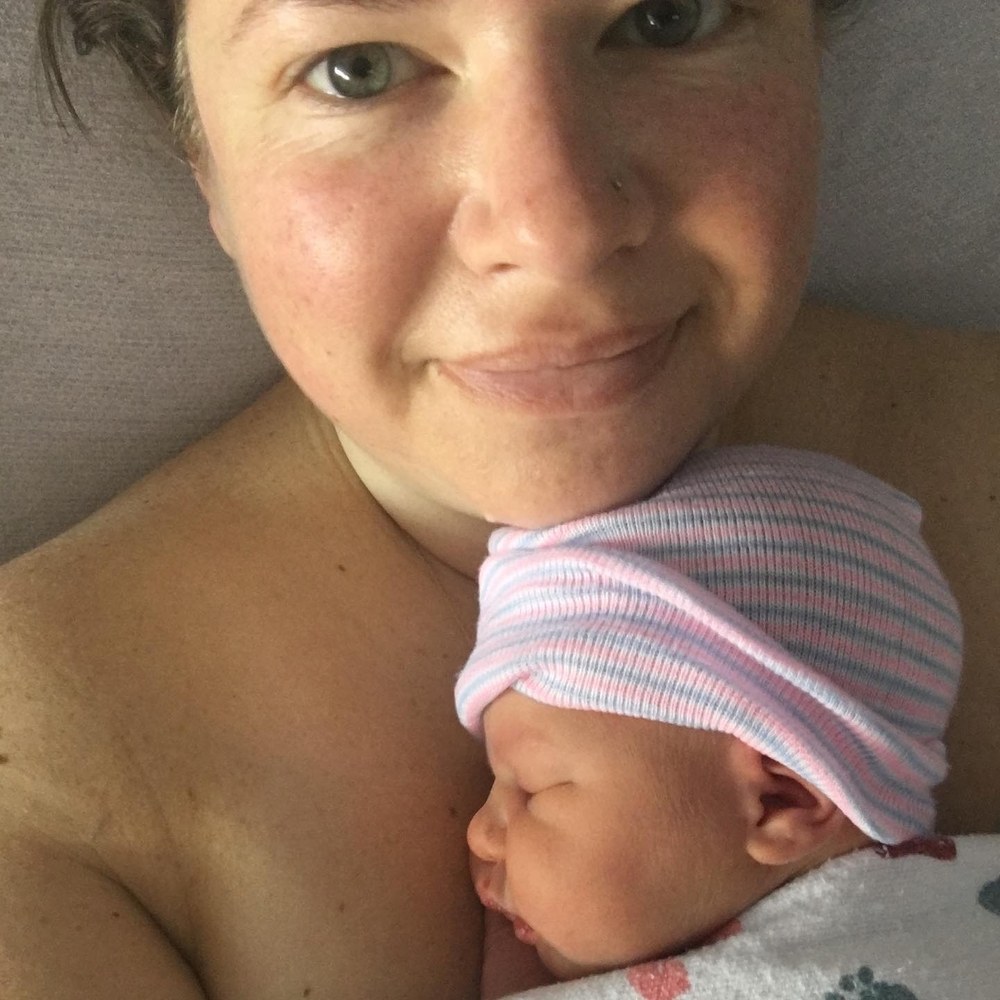
In May of 2020 I had a baby at 32 weeks. Right when the world was shutting down and full of uncertainty. Prior to having my second baby, I was doing home therapy visits with new moms, as that was no longer safe for myself or my clients, I decided to launch 4th Trimester Wellness. I knew that moms were feeling more isolated than ever and I wanted to create a therapist led, evidence based corner of social media for moms to connect, be supported and feel less alone during a scary time. Us Covid moms are rockstars, looking back now, I can’t believe we all managed to get through such a scary time to have a new baby.
You wear many hats — therapist, author, consultant, content creator, and mom of two. How do you define strength as a working mom, and how does that definition influence the way you counsel and advocate for others?
I experience working motherhood as such a privilege. The fact that I get to do work I love and be a mom makes me grateful to be mothering in this day in age.
I used to think strength meant endurance: how much I could hold, how efficiently I could function, how little I needed. Now I define strength as flexibility and surrender. It’s the willingness to adjust, to tell the truth about what’s hard, to ask for help, and to let my capacity ebb and flow without defining myself or my value with perceived output.
As a working mom, strength isn’t doing it all without dropping a ball. It’s knowing which balls are glass and which are plastic, and giving myself permission to let the plastic ones bounce. It’s boundaries. It’s repair. It’s modeling for my kids that ambition and tenderness can coexist.
That definition shapes everything about how I counsel and advocate. I don’t teach women to optimize themselves into exhaustion. I help them build self-trust, tolerate uncertainty, and disentangle their worth from productivity. In my work, whether with clients, in my writing, or through content creation, I advocate for structural support and cultural change, not just better coping skills. Because strength isn’t silent suffering. It’s honest, supported resilience.
You talk often about matrescence as a lifelong transformation. How has matrescence shown up uniquely in your own life — both personally and professionally — and what truth about that transition do you wish every mother could understand?
Matrescence didn’t arrive for me in one sweeping moment, it unfolded in layers. Personally, it cracked open my certainty. I’ve always been someone who likes to know - to anticipate, prepare, control the variables. Motherhood exposed how little control actually exists. It softened me and stretched me at the same time. It forced me to acknowledge versions of myself I couldn’t carry forward, while also introducing parts of me I didn’t know were there: fiercer boundaries, deeper empathy, a clearer sense of what actually matters.
Professionally, matrescence reorganized my work. I stopped seeing postpartum distress as a series of symptoms to fix and started understanding it as a developmental transition to support. It’s what led me to write The Myth of the Perfect Mom, because I realized so many women weren’t struggling because they were doing anything wrong. They were struggling because emotional growth spurts are hard. And no one had told them that growing into motherhood can feel destabilizing.
The truth I wish every mother understood is this: if you feel disoriented, ambivalent, overwhelmed, or not quite like yourself, that doesn’t mean you’re failing. It means you’re in transition. Matrescence is not a quick identity upgrade. It’s a slow integration. You don’t go back to who you were — you expand. And expansion is uncomfortable before it’s empowering.
I wish more women knew that the discomfort is not evidence that you’re doing it wrong.
“Matrescence is not a quick identity upgrade. It’s a slow integration.”
Your upcoming book tackles deeply ingrained societal expectations. What was the hardest myth for you to confront personally — not just to write about — and how did confronting it reshape how you mother?
The hardest myth for me personally was the belief that a “good” mother is endlessly certain. Certain about feeding, sleep, discipline, work, timing, decisions, certain in a way that looks calm and unwavering from the outside. I’m someone who has built a career around insight and guidance, so admitting that I felt unsure — sometimes daily — felt especially vulnerable. I didn’t just have to write about that myth. I had to dismantle it myself.
Confronting it meant recognizing how often I was chasing certainty as a way to manage anxiety. If I could just research more, plan better, anticipate every outcome then I could protect my kids from discomfort and myself from judgment. Letting go of that illusion reshaped my mothering in a profound way. I stopped trying to eliminate uncertainty and started modeling how to live alongside it.
Writing about societal myths is one thing. Realizing how deeply they live inside you is another. But confronting that myth gave me something steadier than certainty: self-trust. And that has reshaped not just how I mother, but how I show up in every room.
“Letting go of certainty gave me something steadier than certainty: self-trust.”
Many mothers lose a sense of self during early motherhood. When you reflect on your own identity before and after becoming a mom, what has been the most surprising shift, or what have you had to intentionally reclaim?
Before becoming a mom, I experienced my ambition, independence, and decisiveness as core traits. After my kids were born, especially in those early years, so much of my energy went toward maintenance, which feels very different from ambition: monitoring sleep, moods, milestones, logistics. I didn’t dramatically “lose” myself. I slowly deprioritized myself. And because the cultural messaging tells mothers that self-erasure is noble, it was easy to mistake depletion for devotion.
What I’ve had to intentionally reclaim is my separateness.
Not in a dramatic “new identity” way, but in small, daily ways. Having thoughts that aren’t about my children. Protecting time to write even when the house is loud. Letting myself want things that don’t serve anyone else. Reclaiming the part of me that is creative, opinionated, and ambitious - without apologizing for it.
The other shift is that I don’t actually want to go back to who I was. I like this version of me. I’m less affected. Less impressed by external validation. Clearer about my limits. But that clarity only came after I stopped measuring myself solely by how much I could give.
If I could tell mothers one thing, it’s this: identity doesn’t vanish, it narrows under pressure. And it expands again when you give it oxygen. You are allowed to be a mother and a whole person. That’s not selfish. It’s sustainable.
If every mother could carry one truth from your work into her life — something that would soften her inner critic and strengthen her confidence — what would that truth be, and why?
If every mother could carry one truth from my work into her life, it would be this:
You don’t have to listen to your inner critic.
So much of the inner critic isn’t actually your voice. It’s the echo of cultural expectations that demand full devotion, endless patience, optimized bodies, thriving careers, emotionally regulated children, organic snacks, and gratitude on top of it all. When you internalize that standard, of course you feel behind. That bar was never designed to be reachable.
Understanding that changes everything. It moves you from “What’s wrong with me?” to “What am I being asked to carry?” That shift alone softens shame.
Confidence, in my view, isn't a loud certainty. It’s quiet self-trust. It’s the ability to say: This is hard. I’m still a good mother. I can adjust. I can repair. I can ask for help. When mothers release the fantasy of perfection, they gain something sturdier: flexibility, discernment, and the freedom to define “good” for themselves.
And when your inner critic quiets, even a little, you make decisions from alignment instead of fear. That’s where confidence grows.
Looking ahead 5–10 years, what impact do you hope your work will have on how communities, workplaces, and families define motherhood culture? What is the legacy you want to have for you, for your family, and for other mothers?
At the community level, I want matrescence to be understood the way adolescence is — as a developmental transition that deserves education, infrastructure, and support. I want pediatricians, OBs, therapists, and schools to speak about maternal mental health as standard care, not crisis intervention. I want women to expect support instead of apologizing for needing it.
In workplaces, I hope motherhood is seen as an expansion of skill, not a liability. Mothers become masters of prioritization, negotiation, emotional regulation, and complexity. I want parental leave, flexibility, and re-entry support to be framed as strategic investments, not accommodations. The cultural narrative should shift from “How quickly can she bounce back?” to “How do we retain and honor this transformation?”
Inside families, I hope we redefine “good mom” from self-sacrificing martyr to grounded, supported human. I want children to grow up watching mothers hold boundaries, pursue ambition, repair mistakes, and model interdependence. That kind of modeling changes generations.
As for legacy, personally, I want my children to remember a mother who was present and passionate. Someone who didn’t shrink herself to make motherhood look effortless. I want them to see that building meaningful work and building a family were not competing acts but they were connected ones.
For other mothers, my legacy hope is simple: that my work helped them feel less alone and more secure. If a woman, in a 2 a.m. doomscroll or a quiet moment of doubt, can hear an internal voice that says, this is hard and I am still enough, then I’ve done what I set out to do.
I don’t need to be remembered as perfect or prolific. I want to be remembered as someone who told the truth about motherhood, and made it safer for others to do the same.
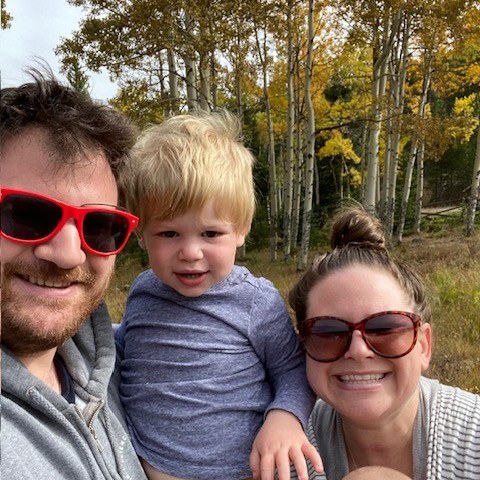
Erin Schlozman is a Licensed Clinical Professional Counselor, maternal mental health specialist, and author of The Myth of the Perfect Mom. Through her platform @4th.trimester.wellness she helps mothers untangle perfectionism, navigate matrescence, and feel less alone in modern motherhood. A therapist, writer, and mom of two, Erin blends clinical insight with honest storytelling to create work that is validating, practical, and deeply honest. She believes there’s no perfect way to mother, only the way that is best for you and your family.
Connect with Erin: