CRYSTINA HUGHES

Defining Motherhood: From Crisis to Calling

Motherhood can reveal both vulnerability and strength in ways few experiences can. For some women, the transition is not only personal but becomes a calling to transform systems of care for others.

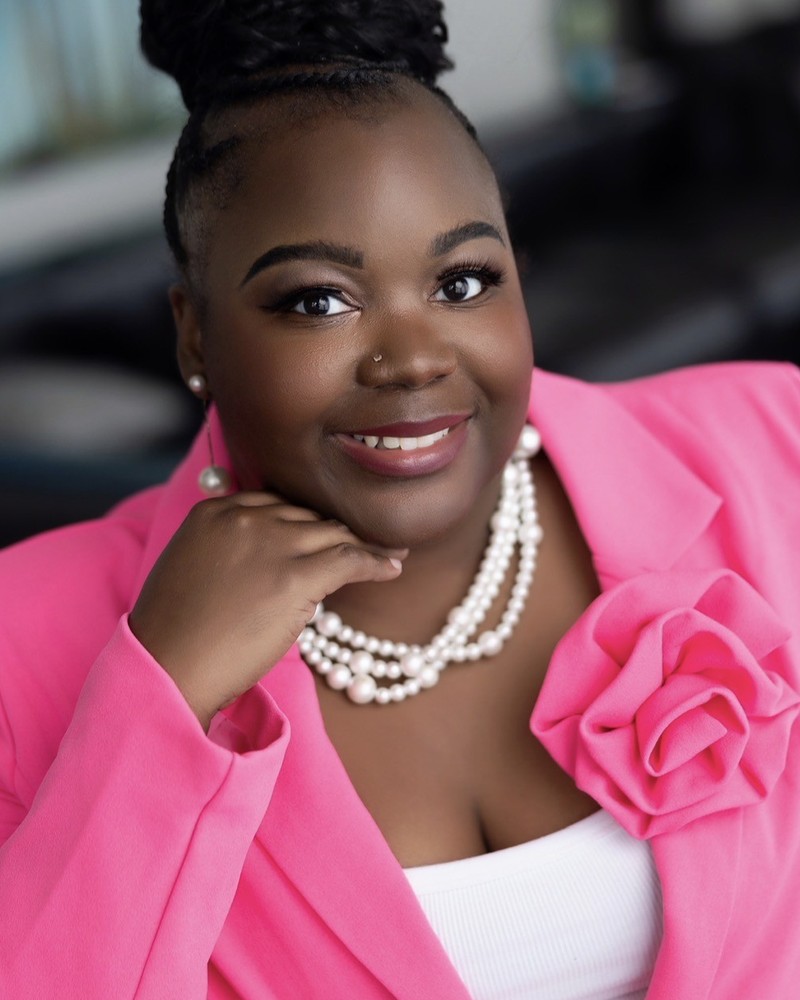
Crystina Hughes, a nurse, birth doula, and founder of Diamonds for Doulas, knows that transformation intimately. After surviving HELLP syndrome, a life-threatening pregnancy complication, she began building community-rooted maternal support that centers advocacy, education, and reproductive justice.

In this conversation with Mothered, she reflects on the moment crisis became calling, the work of supporting mothers through their most vulnerable seasons, and the legacy she hopes to build for the next generation.

You’re building something culturally responsive, community-rooted maternal support. What first gave you the conviction that you were meant to lead this work?

My conviction didn’t begin in a boardroom. It began with lived experience. Before Diamonds for Doulas was an organization, it was survival. It was navigating motherhood in ways I never anticipated. It was confronting HELLP syndrome — a diagnosis that changed my life and forced me to realize how fragile maternal health can be, even for someone educated in healthcare.

That experience became the foundation of Defining Motherhood: Book One — My Calling to HELLP. HELLP was not just a medical emergency. It was a spiritual interruption. It exposed the cracks in the system and the silence around Black maternal health. I realized that if I, a nurse, felt confused, unheard, and vulnerable, what were other women experiencing?

That question would not leave me alone.

Diamonds for Doulas was born from personal experience and necessity. I stopped seeing maternal health disparities as statistics and started seeing them as names, faces, and stories that deserved advocacy. I understood that my pain was not random, it was instructional. And leadership became less about ambition and more about obedience to the call.

What is a moment from your work that has stayed with you — one that reminds you why this work matters so deeply?

I’ve sat with so many mothers, each with her own story of fear, disappointment, or feeling unseen. And over time, a pattern emerged: their experiences weren’t isolated. They weren’t so different from my own.

I remember one of my clients, in particular, quietly confessing she felt like she had failed before she even began. The weight in her voice was familiar. I realized, I’ve been there too. I had been haunted by my own sense of inadequacy after HELLP, questioning whether I could be the mother I envisioned.

That recognition - seeing myself in their stories - became a turning point. It reminded me that this work isn’t just about providing support. It’s about witnessing, validating, and saying to each mother: You are not alone. Your struggle is validated, and your strength is real.

Those reflections are what I explore in Defining Motherhood: Book Two — I Am Not the Mother I Envisioned Myself to Be. Writing it was a way to process the shared humanity in these stories, and to honor how our collective experiences shape the kind of support mothers need and deserve.

You said you are “raising a child and raising systems of support at the same time.” What has motherhood sharpened in your leadership?

Motherhood stripped me of performance. Before, I could operate on adrenaline and perfectionism. After becoming a mother — especially after a complicated birth experience — I learned sustainability. I learned boundaries. I learned that impact without alignment costs too much.

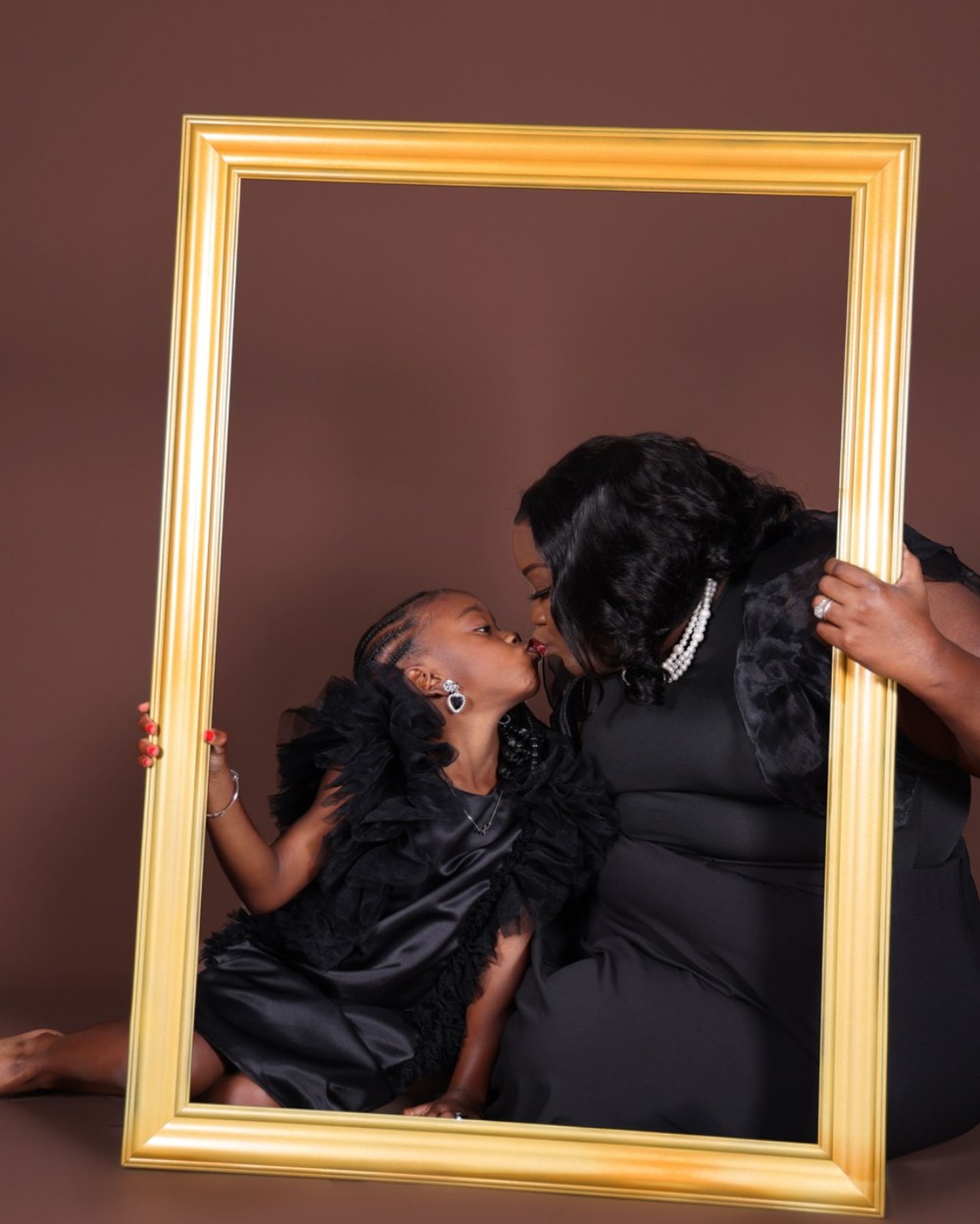
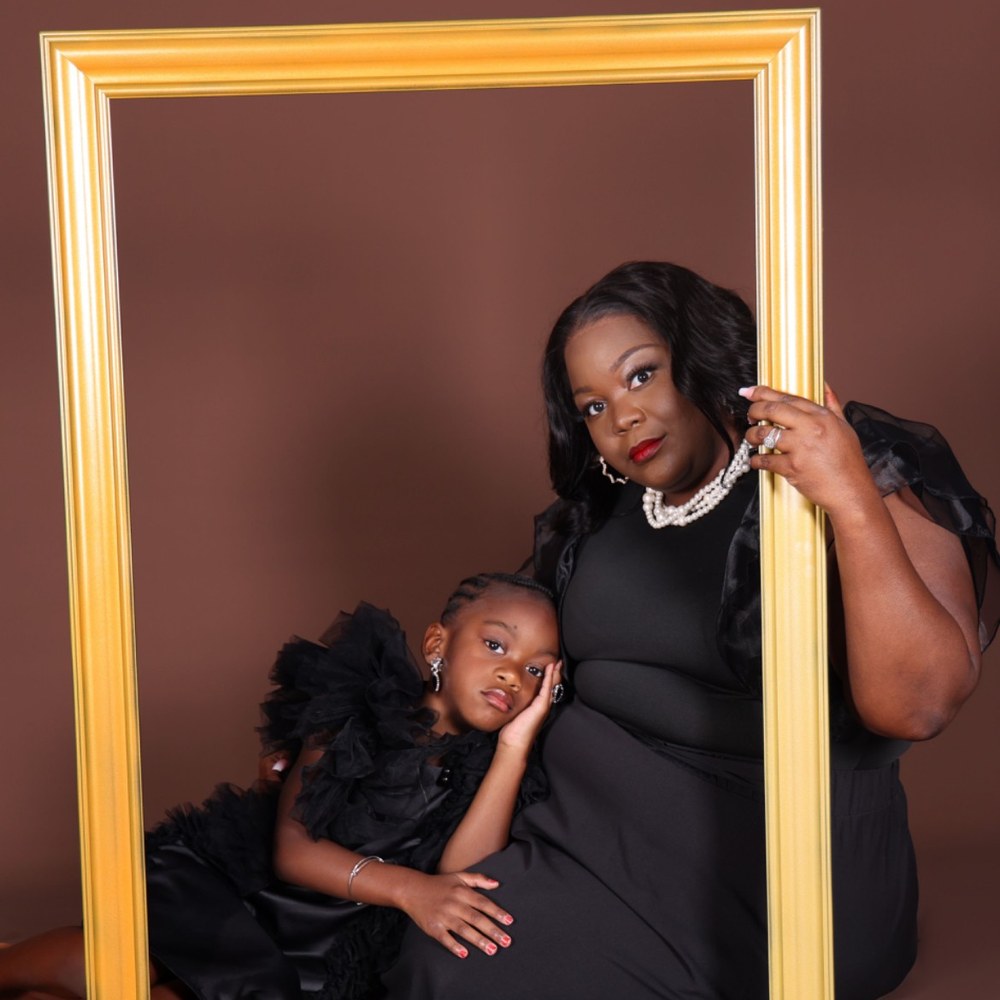
Motherhood sharpened my discernment. I no longer build for applause. I build for legacy. Every breastfeeding support group, every community baby shower, every reproductive education session — I ask myself: Would I want this available for my daughter one day? If the answer is no, I don’t pursue it.

Motherhood made my leadership softer and stronger at the same time. I advocate differently because now everything is personal.

“I no longer build for applause. I build for legacy.”

Was there a moment where you realized your version of power didn’t need to look like anyone else’s?

Yes. When I stopped trying to make my work look “clinical enough” or “polished enough” to be respected.

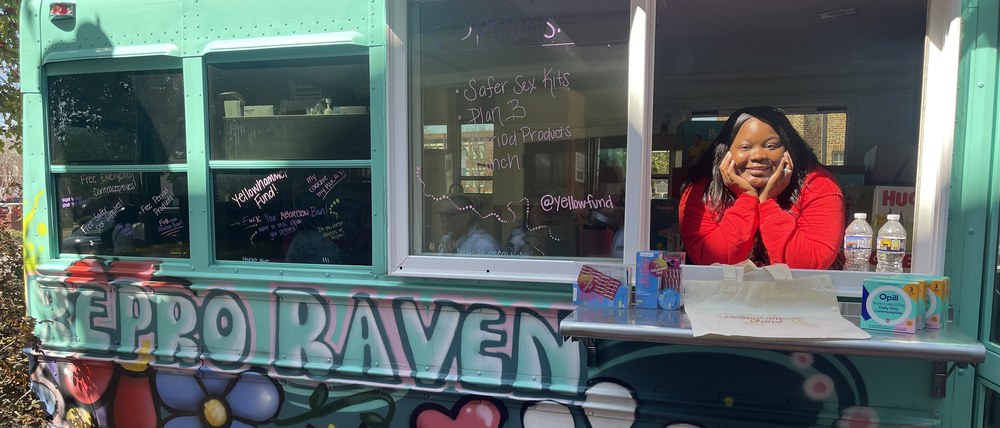
My power doesn’t look like hierarchy. It looks like sitting on the floor at a community baby shower making sure every mother feels seen. It looks like hosting postpartum circles where tears are welcomed. It looks like teaching teens reproductive education in a state that prefers abstinence-only silence.

For a while, I questioned whether tenderness could be taken seriously.

Then I realized something: surviving HELLP syndrome, rebuilding my identity, launching an organization, and mothering simultaneously — that is power.

And it doesn’t need to look like anyone else’s.

That shift felt like freedom. It felt like finally trusting the woman I became through crisis.

Was there a specific moment when you realized the depth of your strength as a working mother?

There was a day I had supported a client through an emotionally heavy session — processing her previous birth trauma — and I came home physically tired but emotionally present for my daughter.

I remember hugging my daughter and thinking, I am carrying so much — and I am still here.

Not detached. Not resentful. Present.

That was the moment I stopped underestimating myself.

Strength, for me, wasn’t loud productivity. It was emotional capacity. It was healing publicly while healing privately. It was writing late at night after motherhood demanded everything during the day.

It was realizing that the woman who survived HELLP and the woman building Diamonds for Doulas are the same woman.

When your child is old enough to understand your work, what do you hope they see? What legacy are you intentionally creating?

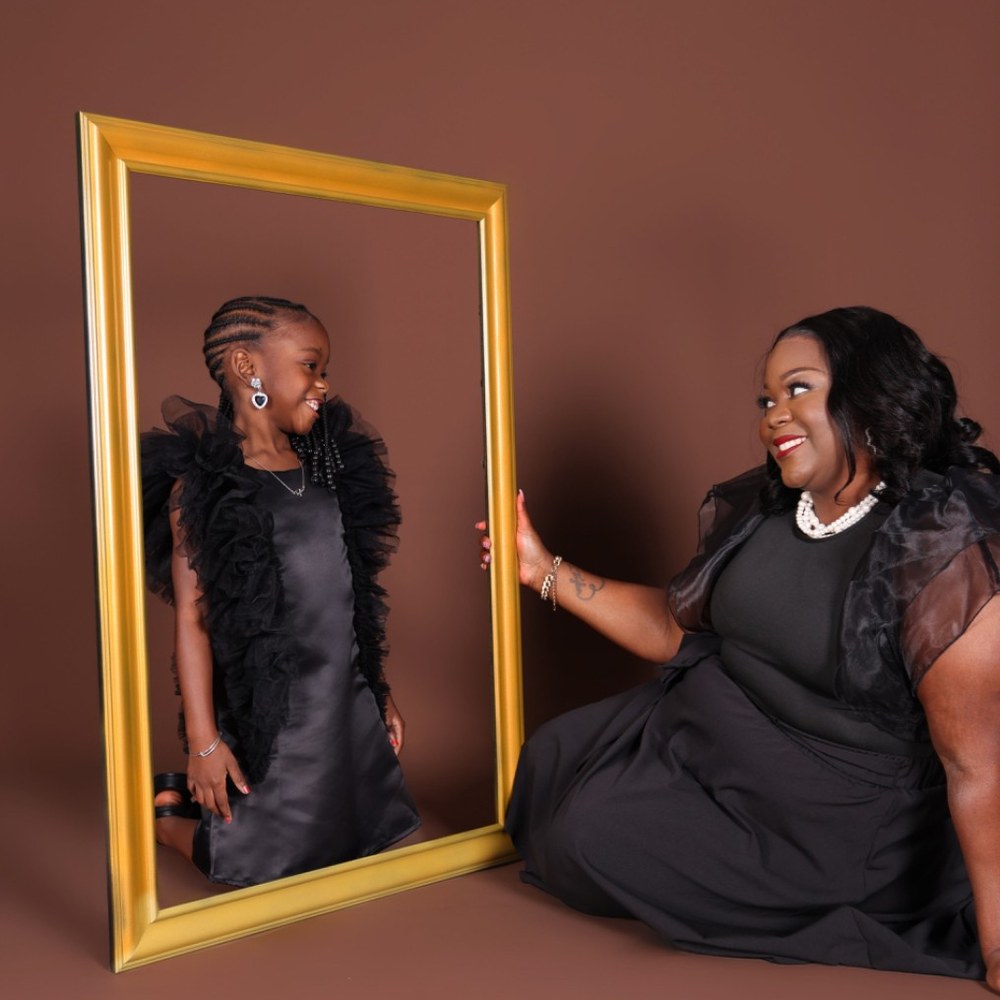
I hope my daughter sees honesty.

I hope she reads Defining Motherhood and understands that her mother told the truth — about fear, about disappointment, about calling, about rebuilding.

I hope she sees that I did not allow trauma to silence me. That I transformed it into structure. Into education. Into advocacy.

At home, I am building emotional safety. In the community, I am building maternal safety. Through my memoir, I am building narrative safety — a space where women can admit, “This isn’t what I expected,” without shame.

The legacy is this:

We are allowed to redefine motherhood. We are allowed to survive it. We are allowed to lead because of it.

Defining Motherhood is more than a memoir series. It is documentation of transformation — from crisis to calling, from expectation to evolution.

“I did not allow trauma to silence me.”

Crystina Hughes is a nurse, certified birth doula, and maternal health advocate dedicated to expanding equitable birth support and reproductive education.

As founder of Diamonds for Doulas and Director of Community Outreach at WAWC Healthcare, she works to ensure mothers have access to culturally responsive care, advocacy, and community-based support.

My Calling to HELLP is a deeply personal memoir that chronicles Crystina’s journey through a life-threatening pregnancy complication that changed everything. She turned pain into purpose; answering a calling to advocate for mothers, support families, and confront the maternal health crisis impacting Black women across America. Her book will be available this April on Amazon, Google Books, and Barnes & Noble.

TikTok: @taytayncrissi

Facebook: Diamonds for Doulas

Website: https://diamonds-for-doulas.square.site/

Previous
Previous

MORGANE BESINS

Next
Next

ERIN SCHLOZMAN