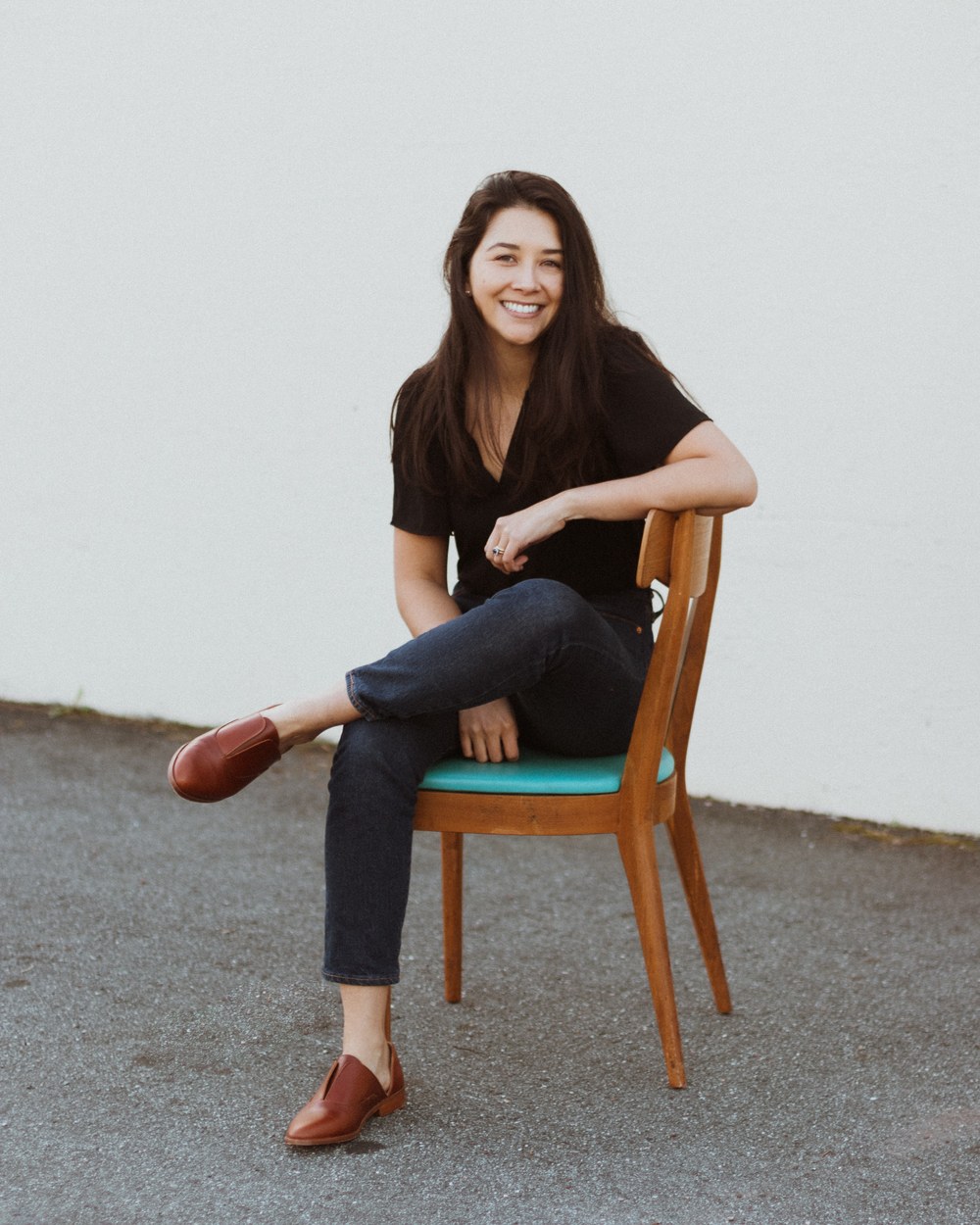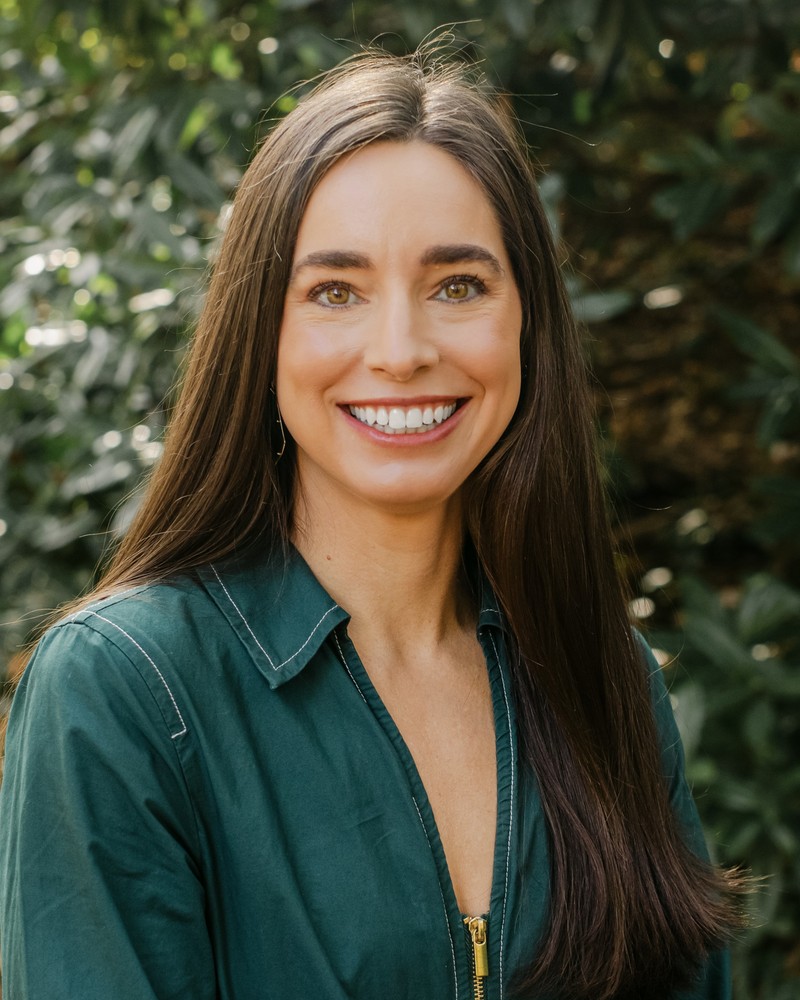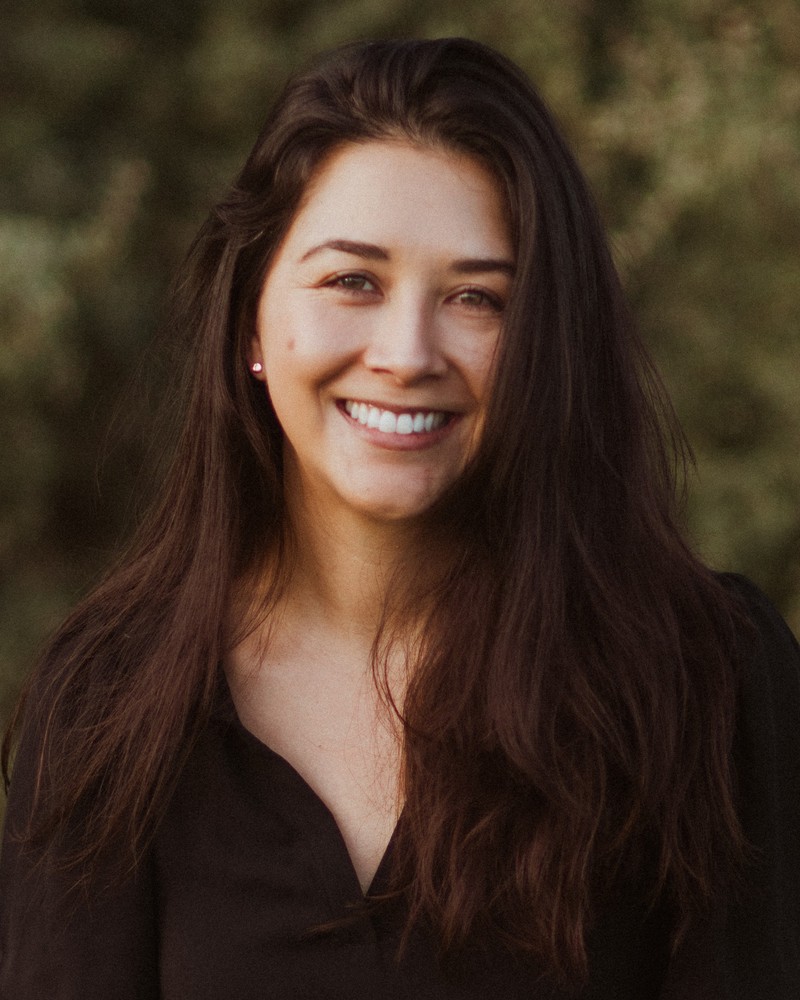
ASHLEY CHANG DAWSON
CHANGING THE FUTURE
Growing up, Ashley Chang Dawson believed her generation would be the first to have both meaningful careers and thriving families. Then she entered the workforce and discovered that many of the same choices her mother faced decades earlier were still being made every day.
Listen to her video interview here on the Between Meetings & Motherhood podcast.
You’ve shared that Sundays really starts with your mom’s experience of having to choose between a high-growth career and raising a family. Growing up, how did that shape the way you thought about work, ambition, and what was possible for women?
Growing up, very few women in my community worked. Most of my friends had moms who stayed home.
Then a lot of my parents' friends got divorced. The women who had been fully dependent on their partners suddenly had to go back to work — often into roles that weren't meaningful or challenging, and that didn't give them any control or flexibility.
Seeing that in combination with watching my own mom's sacrifice made me want to at least have the ability to make different decisions for myself. To have both a career and a family at the same time.
I'm one of three daughters, and growing up I truly believed that we could do anything if we set our minds to it. I believed we would be the first generation to not have to face this challenge.
But after talking to so many families — and now living it myself — I can see that a lot of the same barriers still exist 30 years later. The choice my mom faced isn't really a choice. It's still being made for women by systems that haven't caught up.
Fast forward to your own career in tech, you saw that same tension still exists. Was there a specific moment where you realized, “This hasn’t actually gotten better” and what did that realization feel like for you personally?
There were so few women in technical roles to begin with, and I had always cared deeply about supporting them. I did what I could: ERG groups, mentoring, hiring women onto our team. But the further up I got in my career, the fewer women there were.
The moment it crystallized for me was when my manager had her first baby. She was, and is, one of the most impressive women I know. She excelled at everything it took to do her job.
Then she went out on maternity leave. When she came back, "balancing" her new life and the way we defined success at work didn't align anymore.
At the time, success at our company meant being online, being the fastest to respond, being always available. None of that was compatible with her life as a mom, and I watched how hard it was for her to come back to that.
That's when I started looking around. There were very few women at her level, and there seemed to be this cliff where women were stepping back at exactly the same time they were having kids.
A lot of them were women I had known for a long time, and I realized that things really hadn't changed that much since when my mom was in this position.
You spoke with over 300 parents before building Sundays, and the message was clear: people just don’t have enough time. What did those conversations unlock for you and how did they shape what Sundays ultimately became?
I started Sundays before having kids myself. Because I'd worked as a product manager for so long, I took a research-based approach. I started talking to as many parents as I could. What I found was that there were so many people who wanted to talk about it. It affected them every single day, and they really cared about getting it right. I ended up talking to about 300 parents in the first few months. And I still talk to parents every day about how they're balancing family and work.
At first, I honestly thought I was going to build an app that would solve this problem for all families.
But the more families I talked to, the more I realized that the needs of families are so diverse.
It really depends on who's in your family, how old they are, what season of the year you're in, where you're based, what's important to your family. The things that come up for families aren't something you can easily standardize into a feature. Every family is different, and the support they need depends on understanding them deeply.
Having those conversations led me to what we do today. It made me realize that this required a really empathetic, human approach to support. Now, we have an amazing team of EAs who are moms and caregivers themselves, and they work one-on-one with the clients we support to take some of the life admin off their plate, and give them that time back for the things they really care about.
You started building Sundays before becoming a mom yourself, after seeing the patterns across your own life and other families. What made you want to solve this problem before you were personally in it, and now that you are a mom, how has that experience either validated or challenged what you built?
The honest answer is that I'm a very Type A person. I'm always looking ahead at what I'm going to be doing, and trying to figure out the best way to do it. I always knew I wanted both a career and a family, so as I got closer to that period of life, it became really important to me to figure out how to do it successfully.
It became even more important when I realized that no one feels like they're doing it successfully, and that it's such a tough period of life for many parents.
I've learned a lot since becoming a mom myself. I understood logically and logistically what it takes to run a family. But there are a lot of things I couldn't fully understand before living it myself.
The first is the emotion that goes into it. The amount of joy you feel every day, but also the postpartum anxiety and fear that I never would have anticipated, especially in this first year.
The second is how quickly it changes. You can be doing one thing one day, and the next week you're doing something entirely different. That's obvious in the very early stage of life, but it continues through a lot of parenthood. You can plan, but you can't predict what's going to come up.
The third is how important the relationship is when you're handing things off to someone. It's so critical that you trust them as a person, and that you can build a relationship where they understand who you are and can be proactive. Having someone who's been in the same place as you can really help, both tactically to get things done, and emotionally to have another person on your team.
Living it has only made me more sure that Sundays needs to be human-first. The trust, the relationship, the proactivity, the empathy from someone who's been there are what makes our team really special.
Let’s come full circle now. You’ve shared how your mother felt she had to choose between her career and raising her family. Now that you’re building something in response to that, what do you hope your children see and understand about what’s possible for them?
I hope my children can see that it is possible to have a career and a family. But also that even with support and resources, it can be really challenging, and that's okay.
My partner also started his own business a few years ago. The beauty of owning our own businesses is that we have some flexibility that you wouldn't otherwise have. But it also means we are always on, always responsible for how the business is doing, and responsible for other people's livelihoods. We don't get a lot of pure "family time," but we do try to be as present as we can.
I hope my kids see that it's possible to be ambitious in your family life and your home life, and to create some space to still be yourself as a parent. But also that there is no perfect situation. There is no such thing as "balance" across these things. It's just trying to do our best in each of them, and sometimes not quite being able to. And that there's still a lot of value in both — in investing in your family, and in trying to build something in the world.
You said you’re building a future where 30 years from now looks different than 30 years ago. When you think about the next generation, what do you hope is fundamentally different about how work and family coexist?
What I hope is that parents no longer feel like they need to make a choice. There is support to be a human, a mother, or a father, and to be present and active and truly a part of our children's lives, and to do meaningful work.
The first change I would love to see is cultural. We need to have an understanding that people can do good work while also having the flexibility they need as a parent. A lot of this is about redefining how we think about good work overall. Right now, we think about good work as who's the fastest to respond and who's online all the time. So how do we get companies to understand that?
The second is at the company level. A lot of supporting parents falls on businesses to make changes. Building flexible policies, offering meaningful benefits, creating cultures that actually let parents do their best work.
The third is at the government level. We also need to look at the systems behind the companies. The ones that enable them to offer things like parental leave or other support for parents. Right now, it feels like we're pretty far off from a government that really cares about or supports parents.
I hope that the next generation of parents doesn't have to make the same choices their parents and grandparents did. Sundays is how I'm trying to support people today in the system we live in, and to advocate for the kind of change we hope to see from companies and at the federal level.
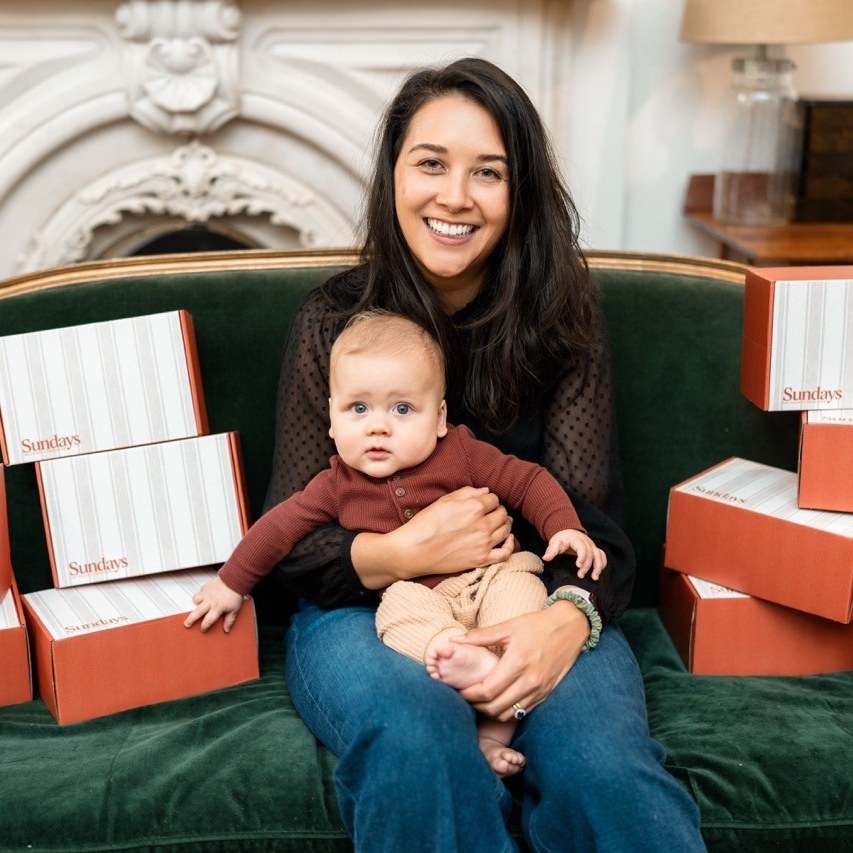
Ashley Chang Dawson is the co-founder and CEO of Sundays, a company that helps working families reclaim time through personalized life support and administrative assistance.
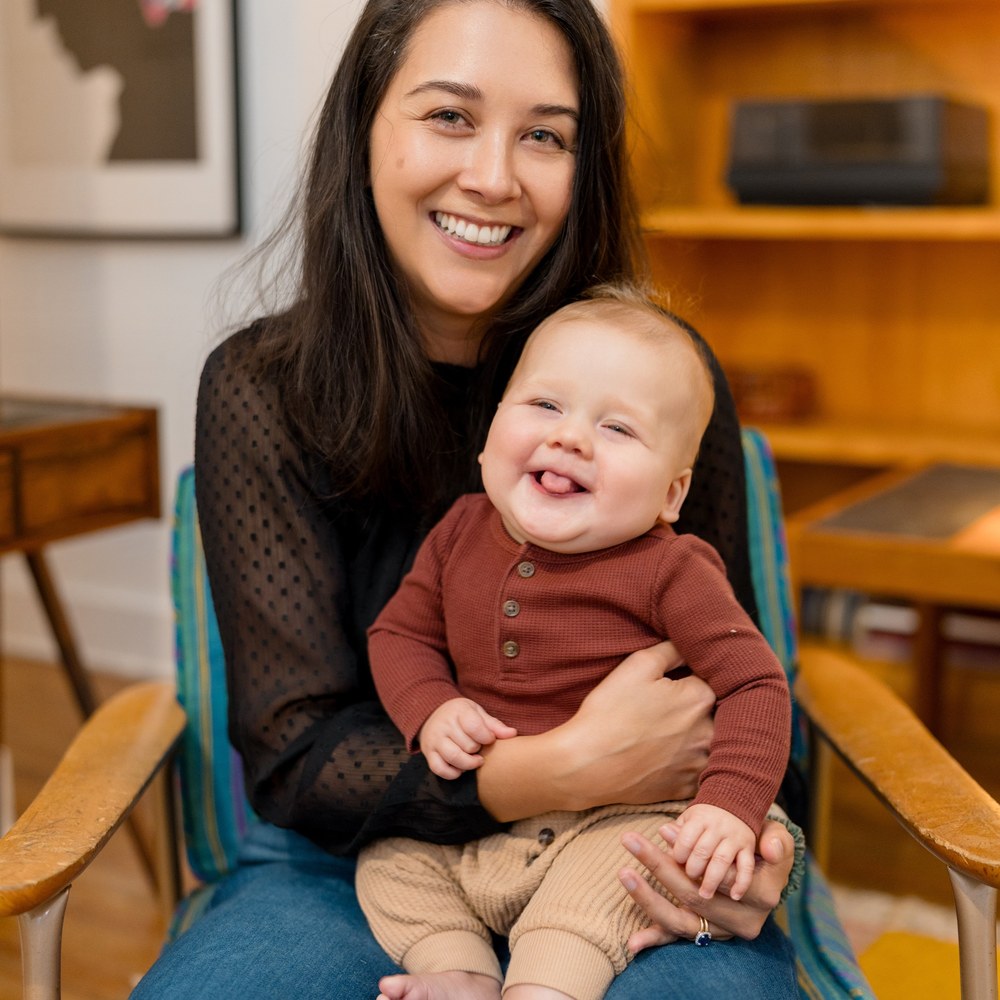
Inspired by her mother's experience leaving a successful technology career to raise a family, Ashley launched Sundays to help make meaningful careers and family life more compatible for future generations. Today, she is building the company while raising a young son and working toward a future where parents no longer feel forced to choose between work and family.
Website: withsundays.com
LinkedIn: Ashley Chang Dawson
LinkedIn: Sundays
Instagram: @ashleychangdawson
Instagram: @with_sundays