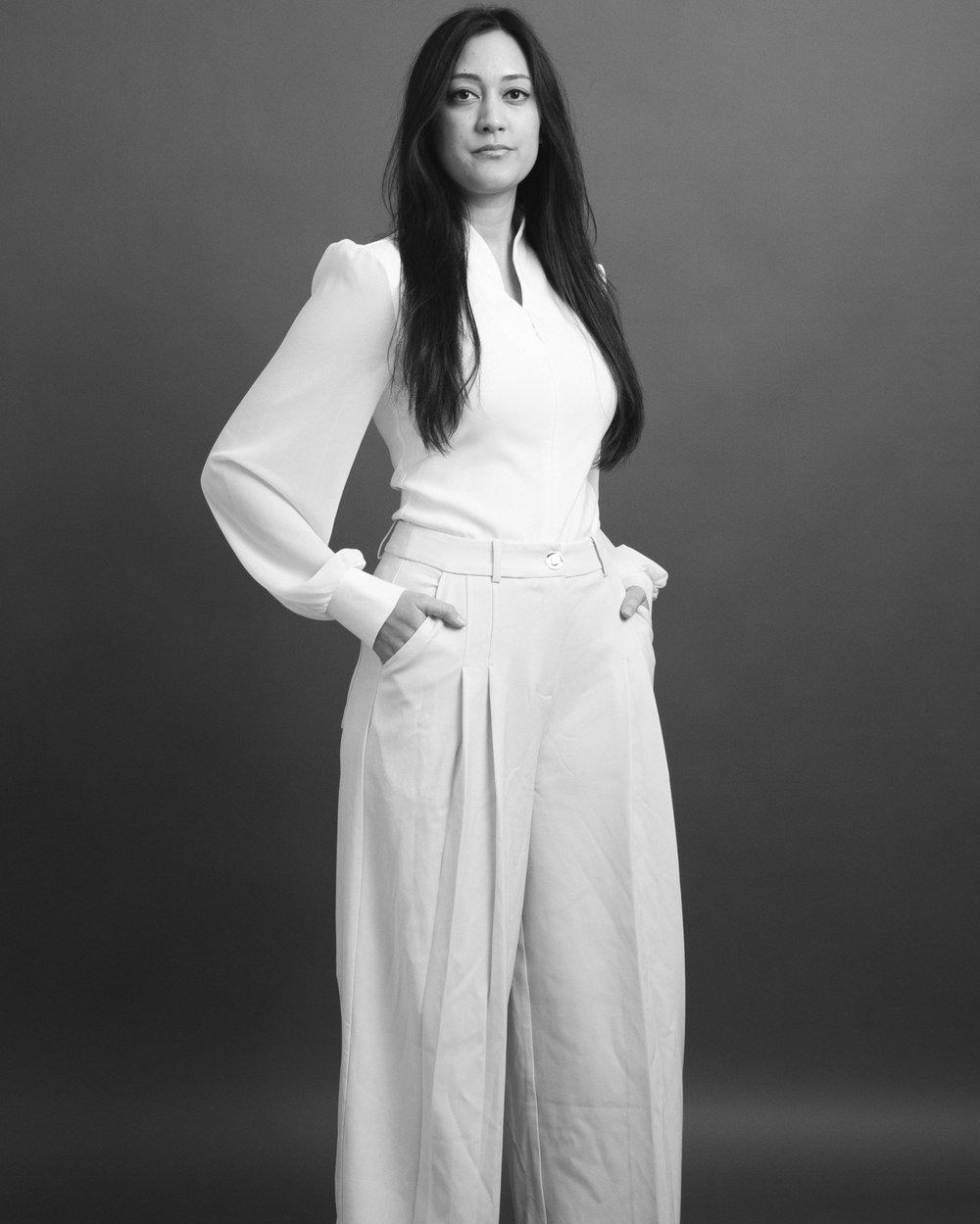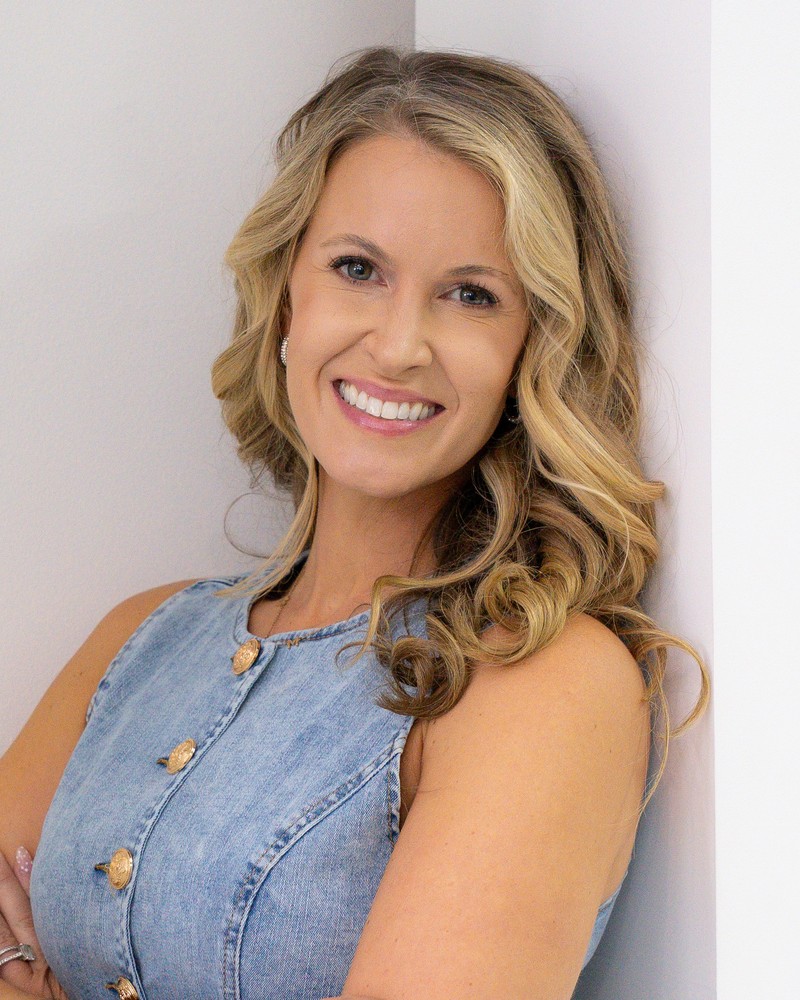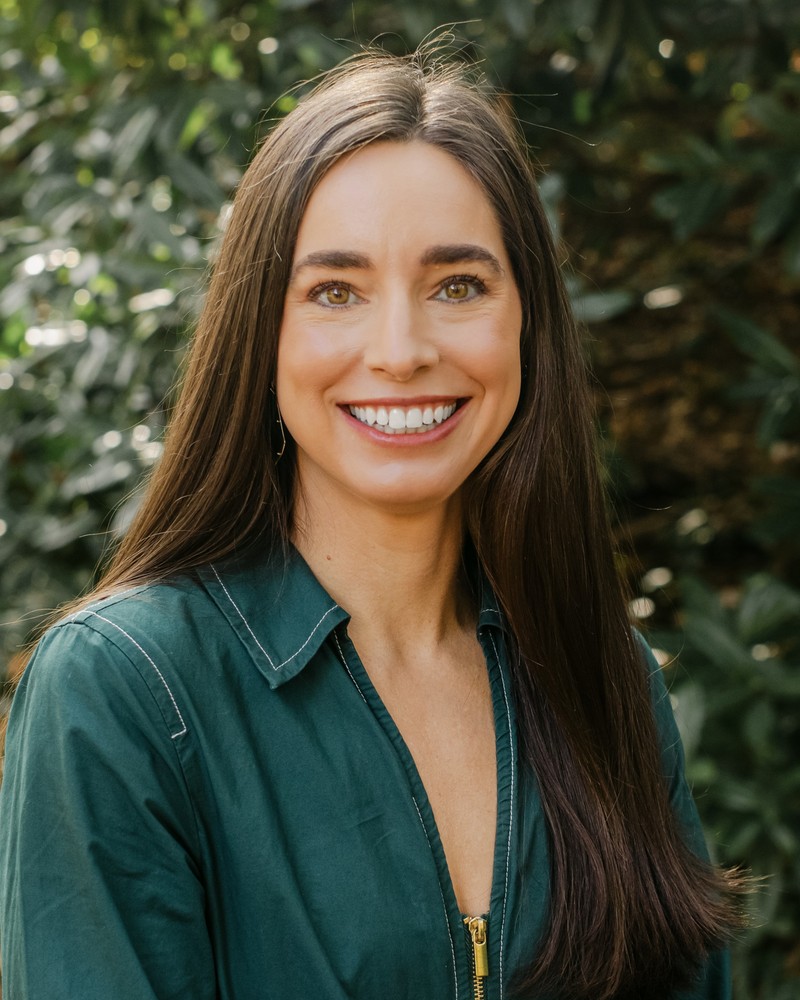
ANNA MCMASTER
YOUR BODY DESERVES BETTER
For years, Anna McMaster helped women navigate pelvic floor dysfunction, postpartum recovery, and the gaps in maternal healthcare. Then she became a mother herself and discovered that knowing what to ask for wasn't enough. Even with a decade of clinical training, she still had to fight for care.
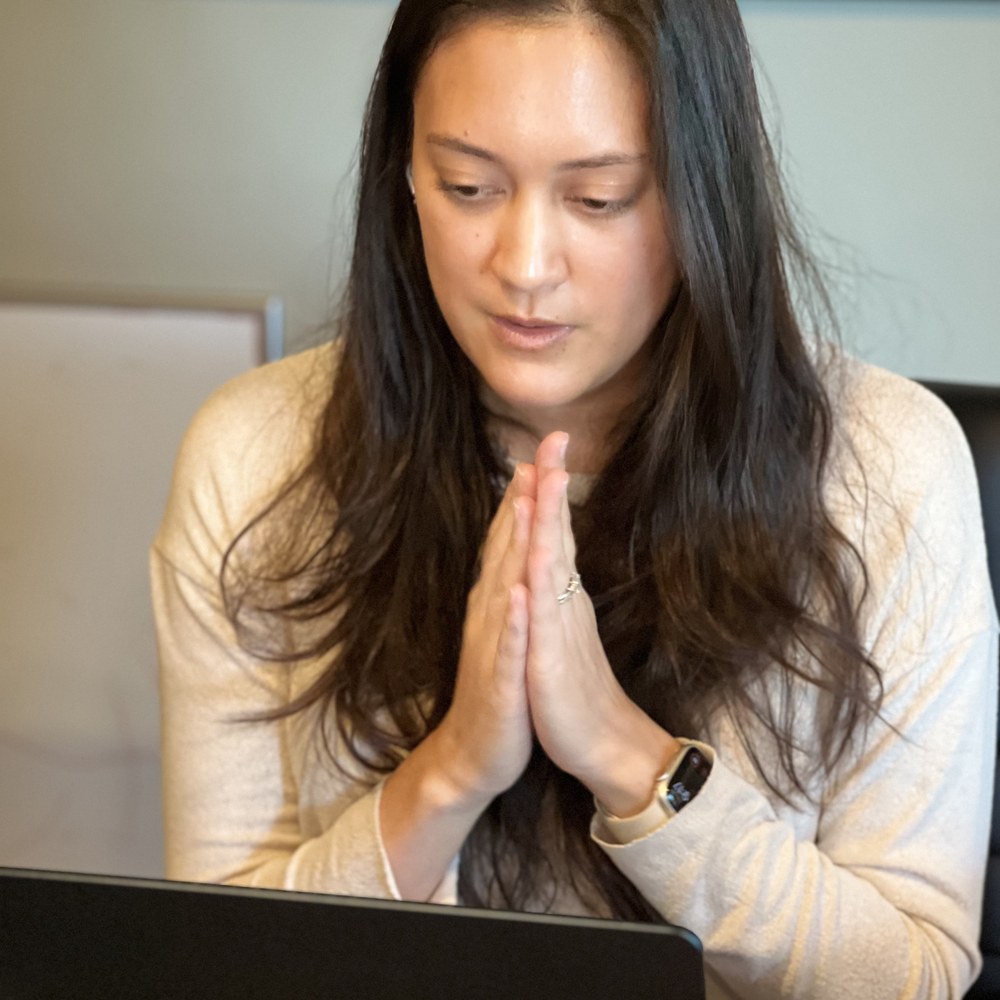
Listen to her video interview here on the Between Meetings & Motherhood podcast.
So many women are told leaking, pain, pelvic floor dysfunction, or feeling disconnected from their bodies is just “part of motherhood.” What made you unwilling to accept that narrative and determined to build something better?
When I learned that there was an answer, pelvic floor physical therapy, that was inaccessible to most women. That was it. I don’t think it’s a radical notion to want every mom, every woman, to have a functioning body so she can do all the things she wants and needs to do in a day. Leaking, pain, dysfunction, feeling disconnected: those aren't separate from someone's daily experience. They're integrated into it. When half your brain is worried about whether you're going to make it to the bathroom in time, there isn't much capacity left for everything else a mother is being asked to hold.
I believe this is a feminist issue. A woman whose body is working, who isn't managing pain or leaking or disconnection in the background of her day, has more of herself available for her work, her kids, her relationships, whatever she's building. That's not a small thing. That's the foundation everything else sits on.
You’ve spent years working as a pelvic floor physical therapist, but you’re also a mom yourself. How did becoming a mother change the way you saw the gaps in postpartum and pelvic floor care?
It's a different experience living through it yourself than seeing it day in and day out with your patients. I didn't understand the all-encompassing exhaustion, or the frustration of having to repeatedly advocate for yourself to your doctor, until I had to do it myself.
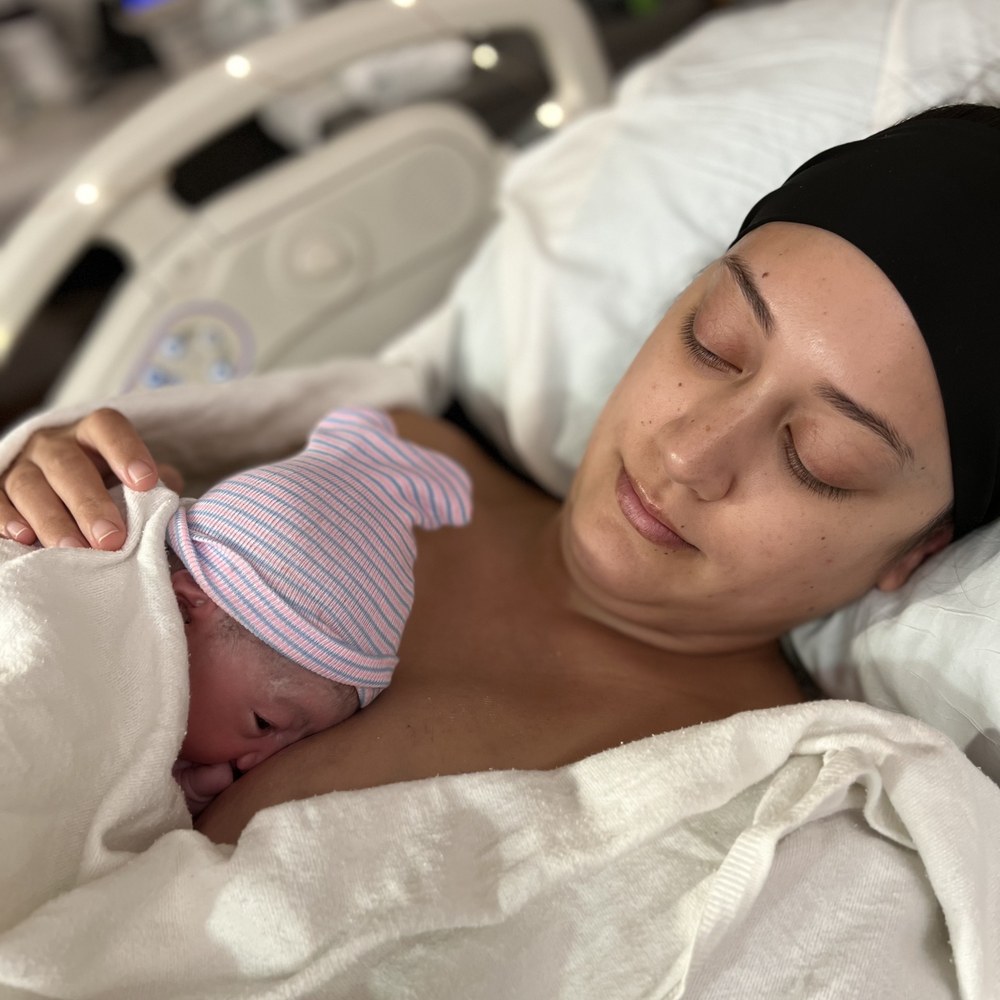
I had a significant birth injury that I am still dealing with four years later. I called my doctor crying at two weeks postpartum, begging to be seen because I was in so much pain. I had granulation tissue removed twice. I wasn't cleared at my six-week appointment. I had to have my perineal repair redone because it was still hurting. The area is still problematic for me now, and every provider I've seen has told me some version of "but it looks fine."
And pelvic floor PT, the thing I do for a living, I had to specifically ask to be referred for. When I was finally referred, I was told there was a three-month waitlist.
Here's the thing: I'm a healthcare professional. I knew what to ask for. I knew the names of the procedures and the medications. I knew how to push back when a provider was dismissing me, and I did, over and over. And I still had to fight for every piece of care I got. That's with a decade of clinical training and the language to use it.
Most women don't have that. Most women hear "it looks fine" and go home and try to live with it, because what other option do they have? That's what radicalized me. Not the realization that postpartum recovery is hard. I knew that. The realization that if I had to fight this hard, with everything I knew, then the women I'd been treating in clinic were facing something even more brutal, and most of them were losing.
Starting a company in women’s health means talking openly about issues many women have been taught to quietly tolerate or feel embarrassed by. What has it been like to build something around conversations that historically haven’t been taken seriously enough?
Pelvic floor is becoming more mainstream, and talking to women about it is honestly so refreshing. Every single mom I've talked to has had some sort of issue, and they're ready and willing to do the work to fix it. They are not shy about telling me, someone they've just met ten seconds ago, that they leak or have pain with sex. And honestly, I love it. Staying quiet and not talking openly about these issues is what perpetuates the shame and embarrassment in the first place.
Do I, from time to time, have a conversation with someone who doesn't think pelvic floor dysfunction is a big enough problem? Sure. Is that person almost always a man? Also yes (but not always!). But the conversations that give me hope are the ones I've had with men who are open to learning, or who already see the benefits of pelvic floor PT. Those are the ones I hold onto.
So much of postpartum recovery is invisible. What do you wish more women heard earlier about healing, recovery, and what it really means to care for themselves after becoming mothers?
I wish women were told that the physical recovery from being pregnant and delivering a baby, whether by cesarean or vaginal birth, can take a very long time. We innately assume that because we have a six-week postpartum appointment where we get "cleared," we should be fully healed at that point. That is far from the reality. It can take several months, sometimes years, for someone to truly feel recovered.
And the annoying thing is that some of that is out of our control. There are things we can do during pregnancy, and even before, to prepare for how we'll recover postpartum, like pelvic floor PT. But we also have to be prepared for the fact that even when we do everything right, recovery takes the time it takes.
And that doesn't mean we did something wrong. It means we had a baby, and our bodies are still doing the work of putting themselves back together. That work deserves real time and real care, not a six-week check and a “see ya next year for your pap”.
And there's also so much more happening in the postpartum period: matrescence, the literal becoming of a mother. The mental health piece. The sleep deprivation. The way your relationships shift, with your partner, your family, your friends. Figuring out whether you're going back to work, and if you are, what that even looks like now. The list goes on. Physical recovery is one layer of a much bigger transformation, and I wish women heard, before they got there, that all of those layers deserve attention. Not just the ones a doctor can see at a six-week visit.
There’s a different kind of resilience required when you’re building something meaningful while also raising children at the same time. What has this season of motherhood and entrepreneurship revealed to you about your own strength and capacity?
That I can do absolutely anything. Period. I used to think I was weak because I was highly anxious and burned out all the time at work. I now know that wasn't weakness. It was feeling helpless in a system that was frustrating and out of alignment with my values. What I've come to learn about myself is that I am much stronger than I ever imagined, and that I can be strong and resilient and empathetic and soft, all at the same time.
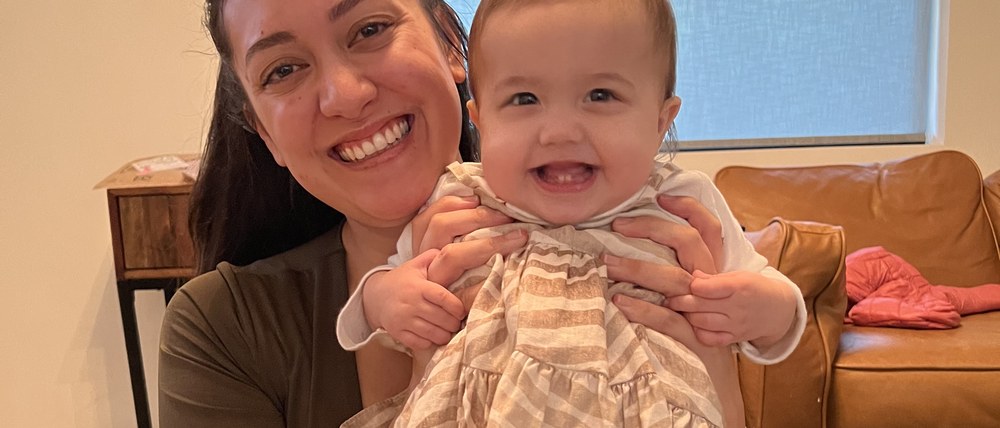
Even though I'm working more hours now than I ever have, I'm more present for my daughter, because emotionally I'm not stuck anymore. I want her to grow up watching a mother who is building something she believes in. That's the version of strength I want her to learn from.
When you think about the future of maternal healthcare and postpartum recovery, what do you hope is fundamentally different for the next generation of mothers because of the work you’re building now?
In the future I'm building toward, holistic care is the standard offering during pregnancy and postpartum, not a luxury or a thing you cobble together on your own. Imagine: you find out you're pregnant, and instead of receiving a box of free diapers and formula samples in the mail, you receive a real care team. Pelvic floor PT. Mental health support. A dietitian. A lactation consultant. A doula if you want one. Education that actually prepares you for what's coming. And those relationships continue seamlessly into postpartum, and well beyond it, into midlife and the decades after. Not the episodic, transactional care our current system defaults to. Continuous care, from people who know you.
What I want for the next generation of mothers is for none of this to feel exceptional. I want my daughter, and her friends, and the daughters of every woman we're caring for now, to grow up assuming that their bodies will be supported through pregnancy and postpartum and every season that follows. Not fought for. Not begged for. Just supported. I want "it looks fine" to be a phrase no one hears at a postpartum visit, because actual assessment will be the standard. And I want the cultural trope of the mom who pees her pants, the "mom injury," the punchline about what your body is supposed to be after kids — I want all of that to be something my daughter only hears about as a relic of how things used to be
Anna McMaster, PT, DPT, PRPC is the co-founder of Amie, a virtual pelvic floor physical therapy platform built to make expert care more accessible for women during pregnancy, postpartum, and beyond.
After spending a decade treating women with pelvic floor dysfunction, becoming a mother herself revealed just how difficult it can be to access the care she recommends every day. Today, she is working to make pelvic floor care a standard part of women's healthcare rather than a hard-to-find specialty.
Website: askamie.co
LinkedIn: Anna McMaster
Instagram: @askamie.co
TikTok: @askamie.co