Who Decided What “Professional” Looks Like and Why Mothers Never Fit the Mold
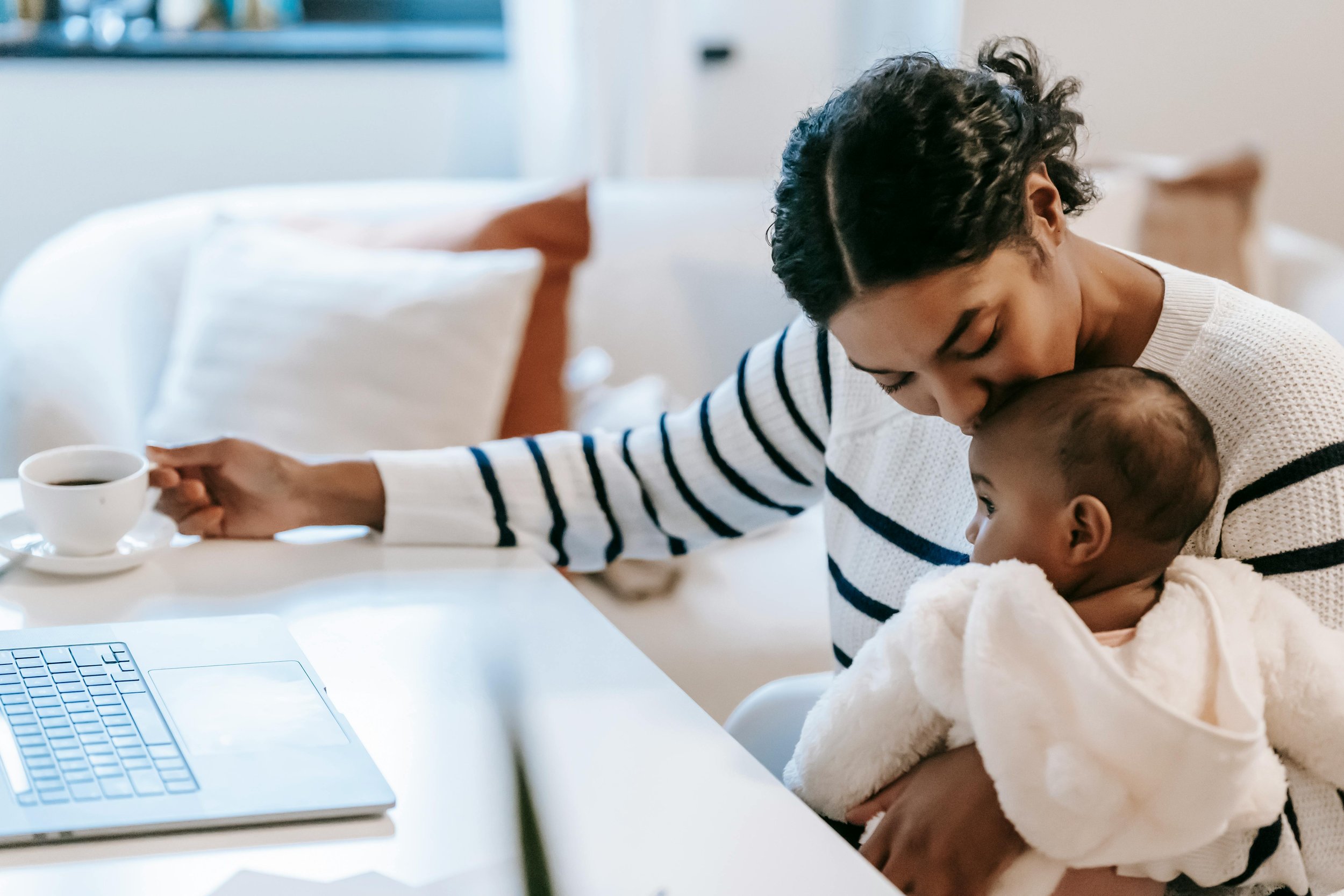
Working motherhood is professionalism
“Professional” is one of those words everyone uses but almost no one questions.
We’re told to act professional. To sound professional. To be more professional in meetings, in emails, in how we show up. It’s presented as neutral, universal, and obvious—like we all agreed on what it means a long time ago.
But we didn’t.
Professionalism wasn’t designed in a vacuum. It was shaped in workplaces built around a very specific kind of worker: someone unencumbered, uninterrupted, and largely unaffected by life outside the office. Someone whose time could be endlessly flexible because nothing else demanded it.
That worker was never a mother.
And yet, mothers are expected to fit the mold anyway.
The rules of professionalism are rarely written down, but they’re enforced all the same. Be composed. Be available. Be predictable. Keep emotion out of it. Don’t let your personal life show. Handle things quietly. Don’t make it awkward.
For working mothers, this creates an impossible standard.
Because motherhood is not a side note. It’s not something you can switch off during business hours. It shapes how you move through the world, how you assess risk, how you respond to urgency, how you allocate energy. Asking mothers to be “professional” often means asking them to pretend a major part of their life doesn’t exist.
So they edit.
They mute themselves when a child cries in the background. They apologize for interruptions that are out of their control. They soften boundaries so they don’t seem demanding. They manage emotion not because it’s unprofessional, but because it’s unwelcome.
This isn’t about etiquette. It’s about conformity.
Professionalism, as it’s commonly defined, rewards neutrality. And neutrality has always been easier for people whose lives fit the default assumptions of the workplace. When you don’t have to negotiate care schedules, pumping breaks, school pickups, or sick days layered onto your workload, it’s easier to appear calm, uninterrupted, and consistently available.
For mothers, “professional” often translates to “invisible.”
The problem isn’t that mothers are unprofessional. It’s that professionalism was never designed to accommodate them.
We see this most clearly in how emotion is policed. Passion is praised until it becomes inconvenient. Empathy is valued until it slows things down. Vulnerability is encouraged in theory, but penalized in practice—especially when it comes from women.
A mother who expresses limits is seen as difficult. A mother who sets boundaries is seen as less committed. A mother who acknowledges complexity is seen as complicating things.
Meanwhile, exhaustion, overwork, and emotional suppression are framed as signs of dedication.
This version of professionalism asks mothers to contort themselves around outdated norms instead of asking whether those norms still make sense.
And increasingly, they don’t.
The irony is that the qualities motherhood develops—emotional intelligence, adaptability, long-term thinking, clarity under pressure—are the very things modern workplaces claim to value. But because they show up alongside caregiving, they’re treated as personal traits rather than professional assets.
So mothers are told to “be professional” while being evaluated by standards that ignore reality.
The result is not better work. It’s quieter work. Less honest work. Work that prioritizes appearance over effectiveness.
When professionalism is defined by suppression instead of substance, everyone loses. But mothers feel it first.
They are constantly navigating a double bind: show up as they are and risk being judged, or mask parts of themselves to remain acceptable. Neither option leads to sustainable leadership or meaningful inclusion.
The question isn’t how mothers can become more professional.
The question is why professionalism is still defined in a way that excludes so many capable leaders.
As work evolves, this definition has to evolve with it. Professionalism cannot continue to mean emotional distance, total availability, or life-less efficiency. It must make room for humanity, complexity, and care—not as exceptions, but as norms.
Because the future of work will not be built by people who can pretend they have no lives.
It will be built by those who know how to lead with clarity, empathy, and realism.
Mothers already do that every day.
The only thing missing is a definition of “professional” that finally reflects it.
