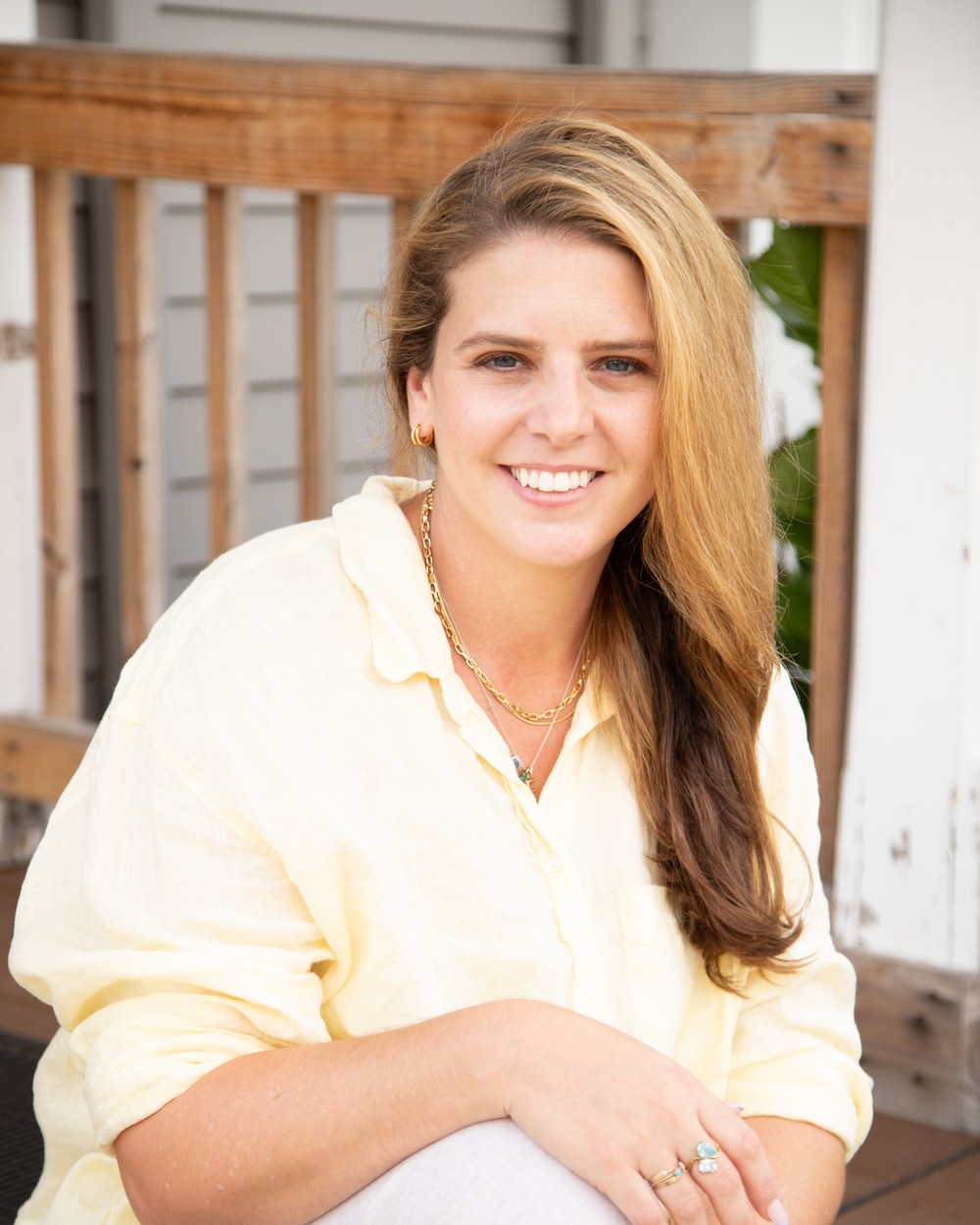
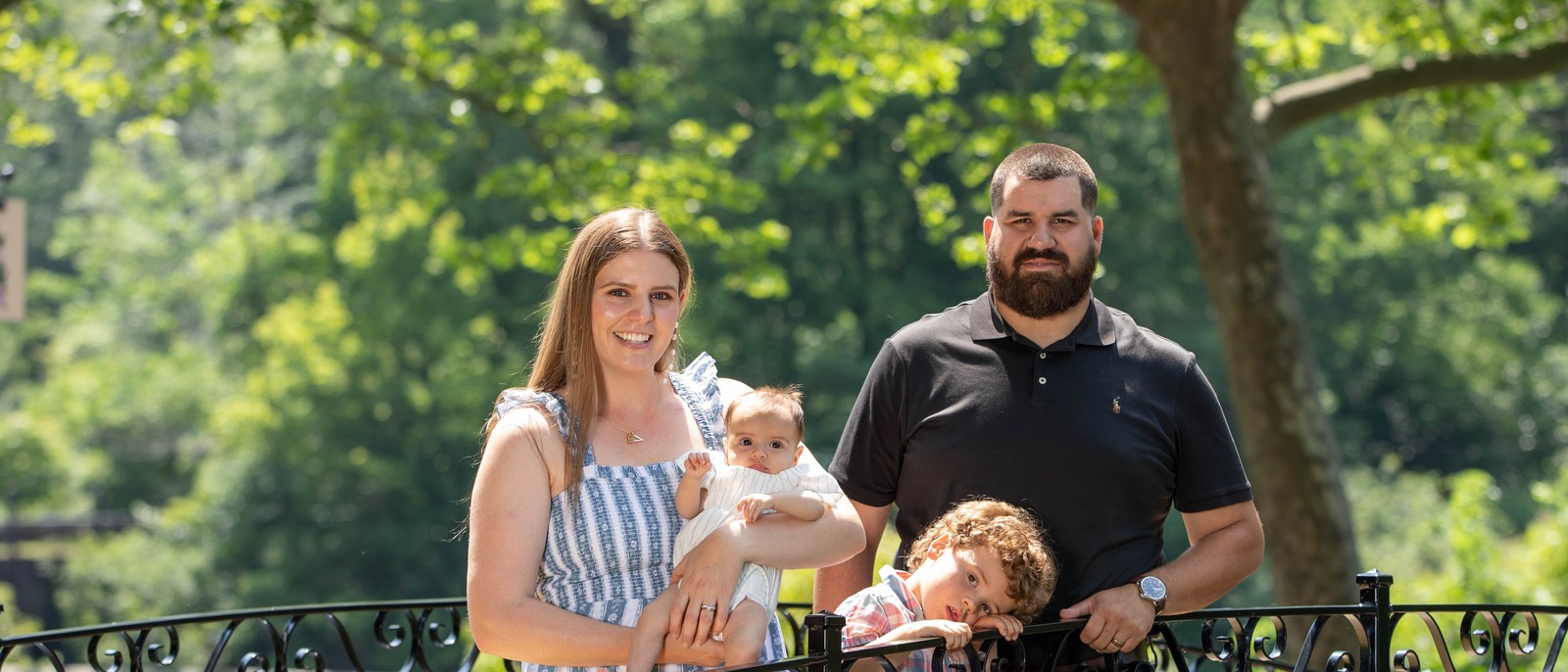
Alexandra (Ali) Nataloni is a Licensed Mental Health Counselor and mother of two who runs a virtual private practice serving high-achieving mothers across Massachusetts. Drawing on both her own experience as a high-achieving, full-time working mother and her decade-long clinical expertise, she specializes in high-functioning anxiety, postpartum anxiety, identity loss, and the mental load that comes with holding everything together, often without the support system that previous generations relied on.
Her practice centers on what she calls "the village": helping clients rebuild a sense of confidence, community, and self-trust that modern motherhood so often strips away.
← All profilesWe live in a society built for a mother with a village, and that wasn't my reality.
Alexandra Nataloni, Licensed Mental Health Counselor
Read it the way it ran in print.
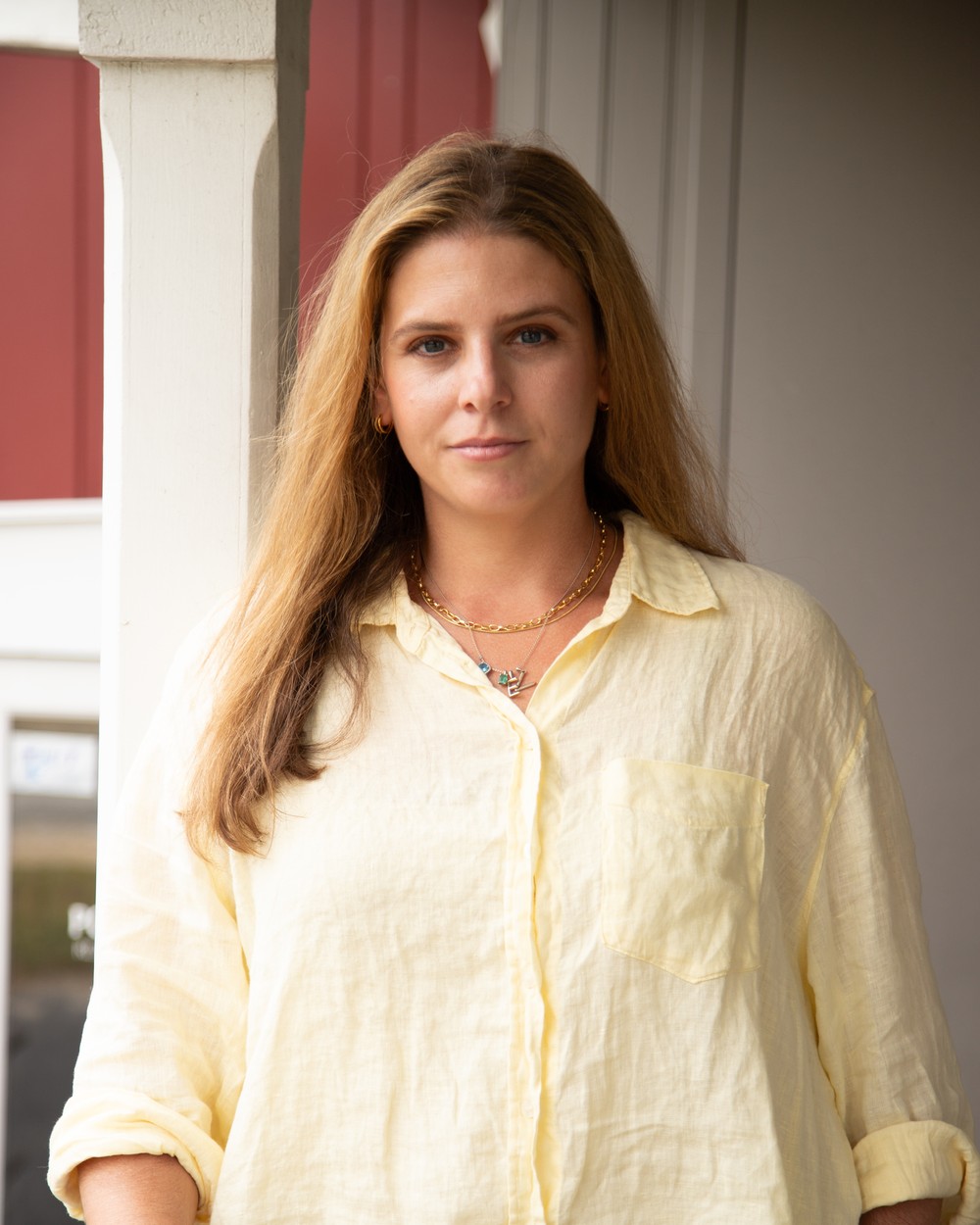
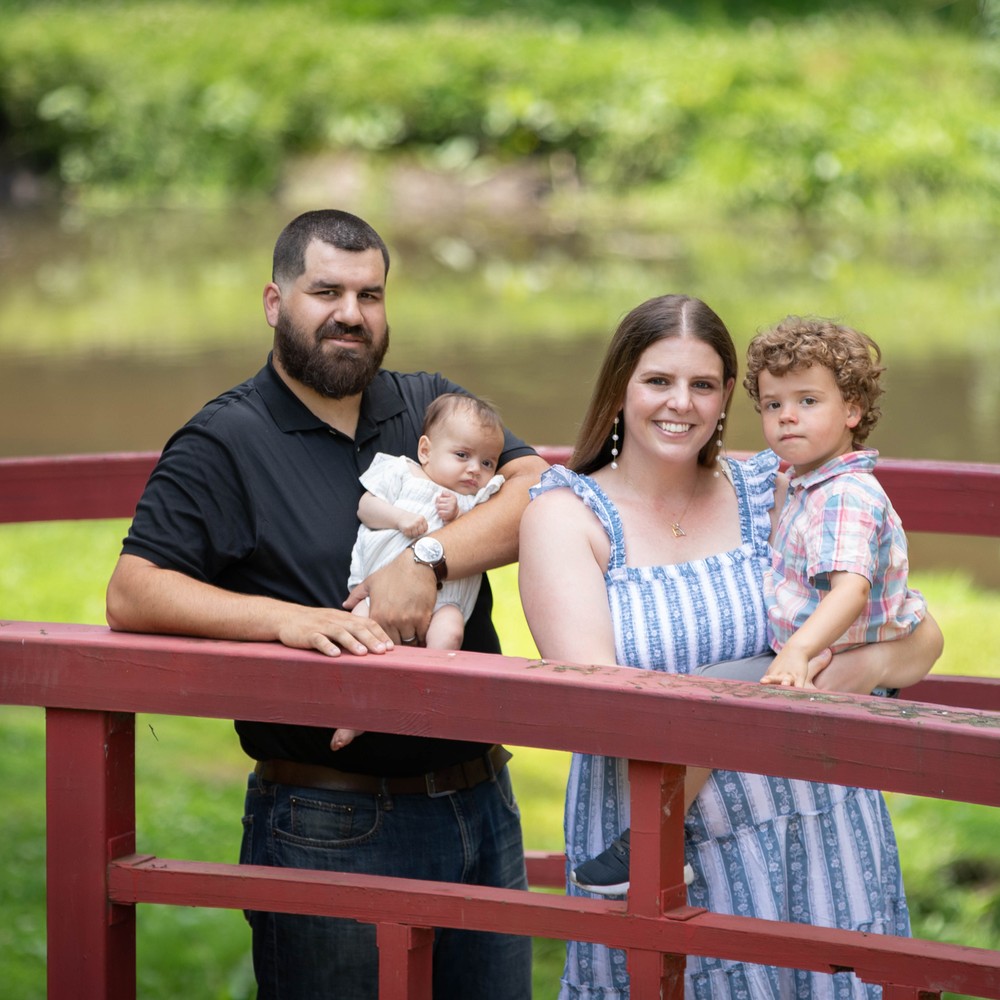
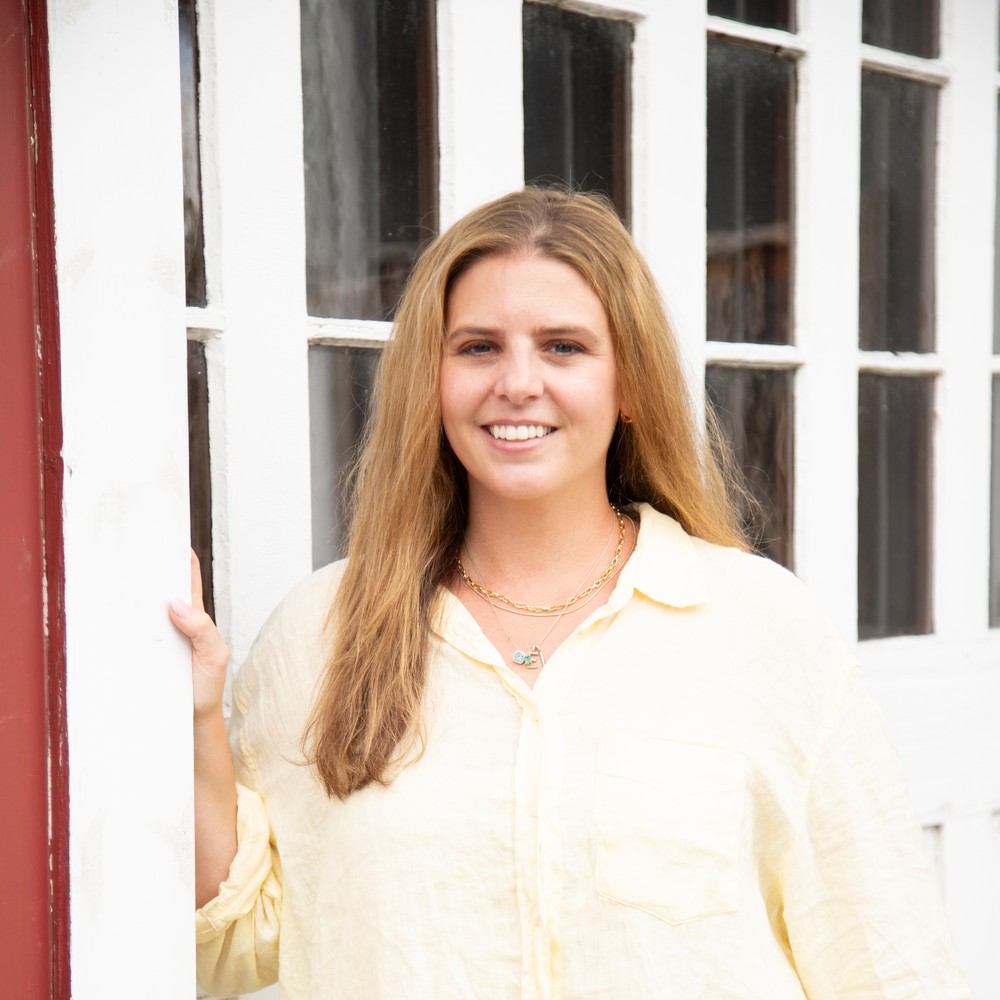
"I know exactly what it's like to be managing fine while crawling out of your skin." That's the line that opens her feature in the September 2026 issue, pages 27–34. Below is the actual spread, page for page, exactly as it appears in print.
You were high-achieving, high-functioning, and completely missed by the system at your six-week check-in. What was actually happening for you on the inside while everything looked fine on the outside, and when did you decide that experience was going to become the foundation of your work?
My experience looked a lot different than what the standard questions on the Edinburgh Postnatal Depression Scale asked. I wasn't crying or feeling down every day. Underneath everything, I would describe myself as almost numb, running on autopilot. It wasn't just the immediate postpartum period that made this the foundation of my practice. It was my experience of matrescence: the profound physical, emotional, and psychological transition into motherhood, and feeling like I was going through it alone, even with a supportive husband. We live in a society built for a mother with a village, and that wasn't my reality.
You are one therapist building a practice in Massachusetts, but the problem you are solving, mothers being missed, falling through the cracks, carrying it all alone, is everywhere. What is the long-term vision for the impact you want to have?
It feels enormous, because this is a system problem. Every mother I talk to, regardless of where she lives, is carrying a similar invisible weight: managing everything, being praised for how well she's managing it, right up until she breaks. My long-term vision isn't to be one therapist seeing one client at a time forever. It's to build something that reaches mothers whether or not they ever sit across from me: resources women can access on their own terms, whether that's courses, community spaces, or content that meets them at 2am when they're spiraling and no therapist's office is open.
Read the full feature in the September 2026 issue.
Open the issueOther women in this issue.
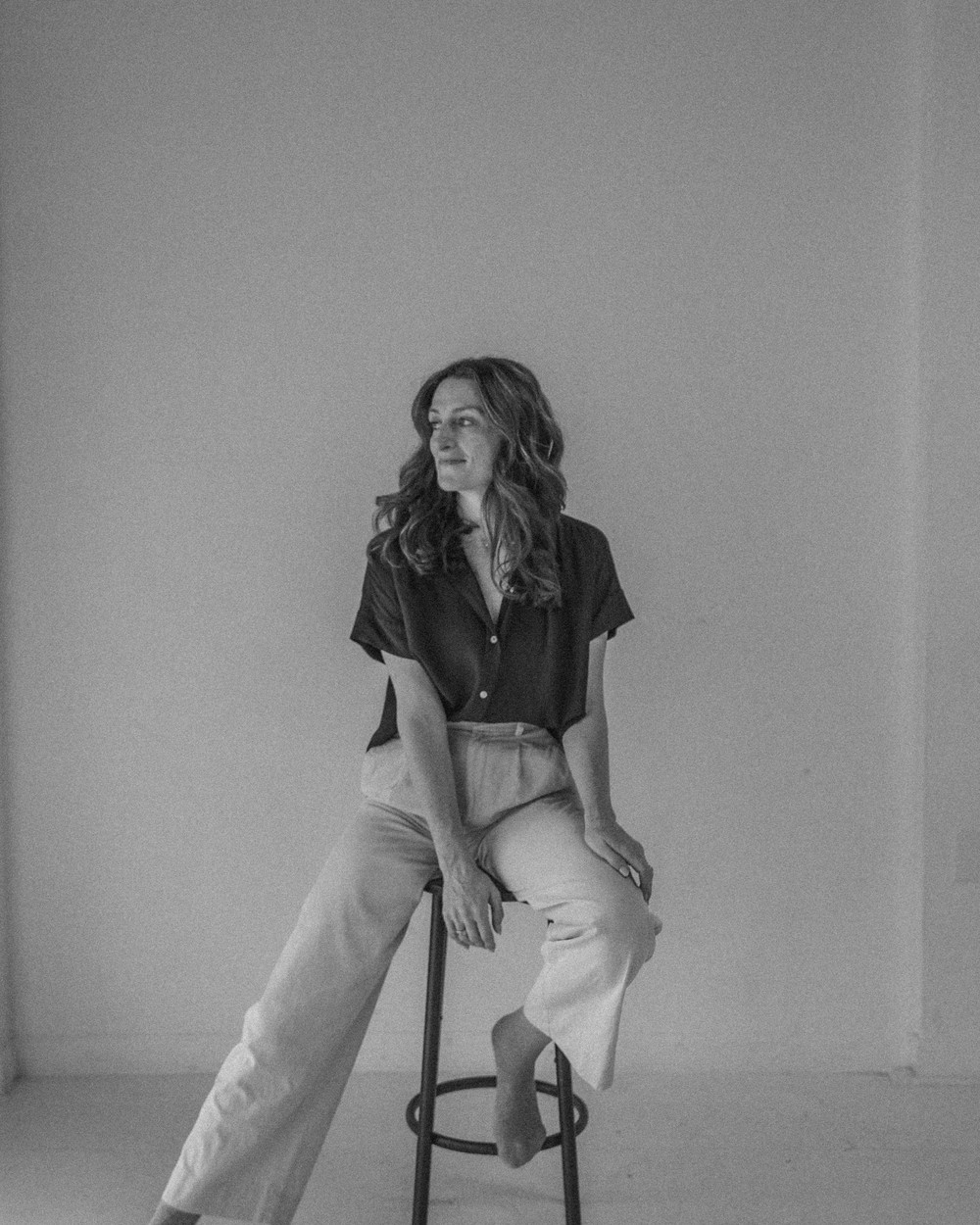
Cat Canada
Founder, Re:Brand
Not a failure. A rebrand.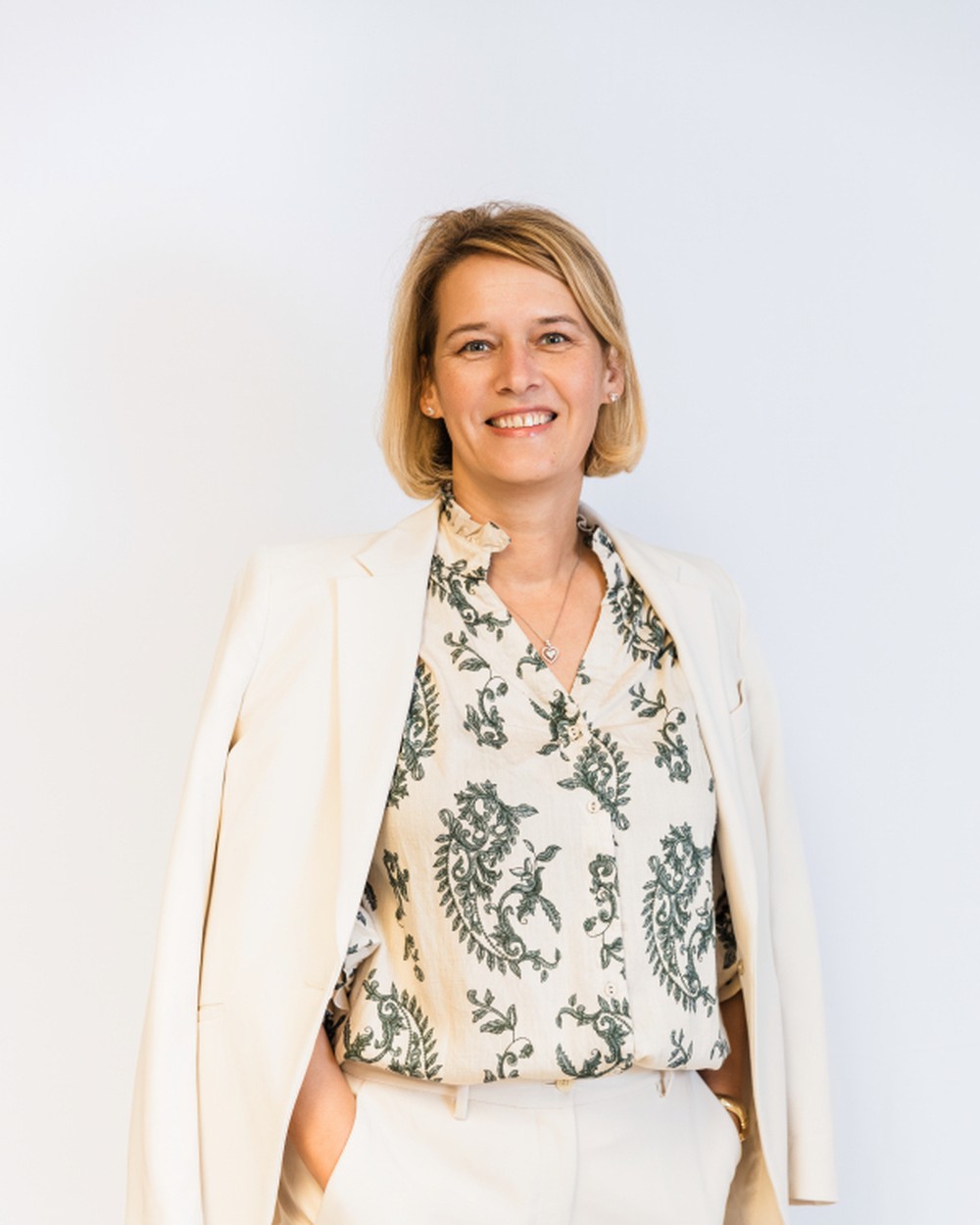
Gabriela Gerhart
Founder, Motherhood Center
There was no village. So she built one.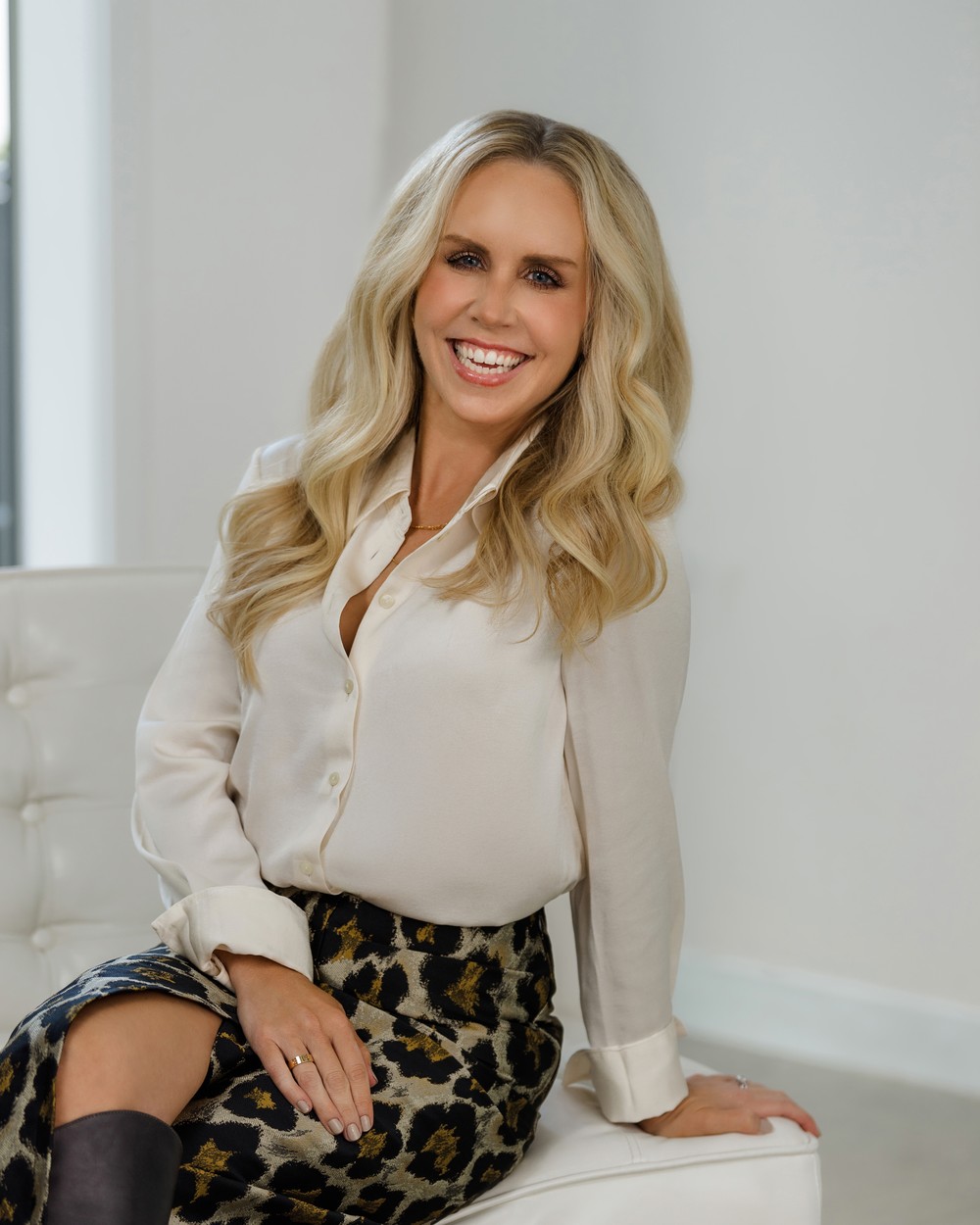
Sarah Alaimo
Founder, Elevate Consulting Collective
No switching selves. One person, whole.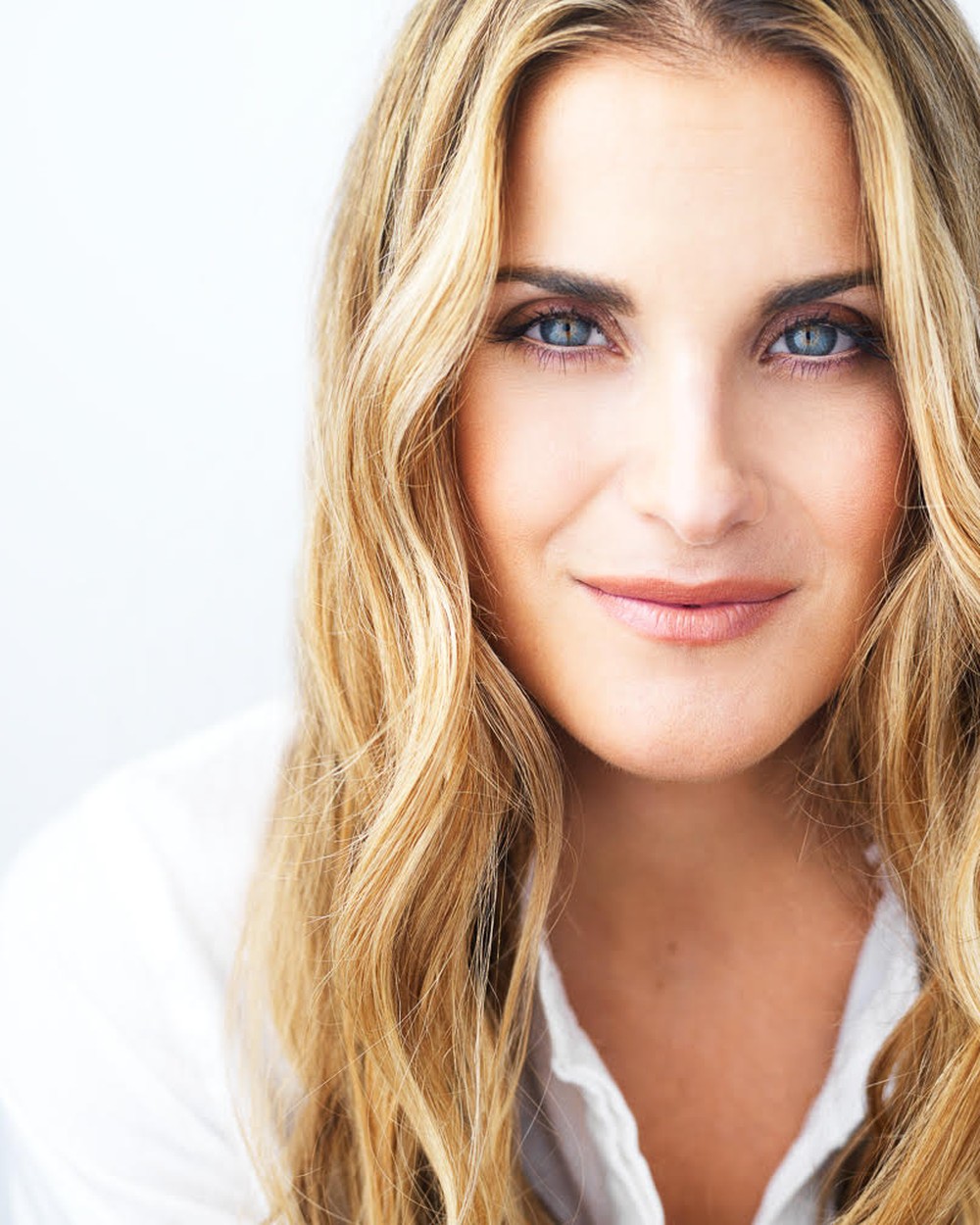
Dr. Lauren Gorelov
Creator, MatraSpeak
The stories that needed a stage.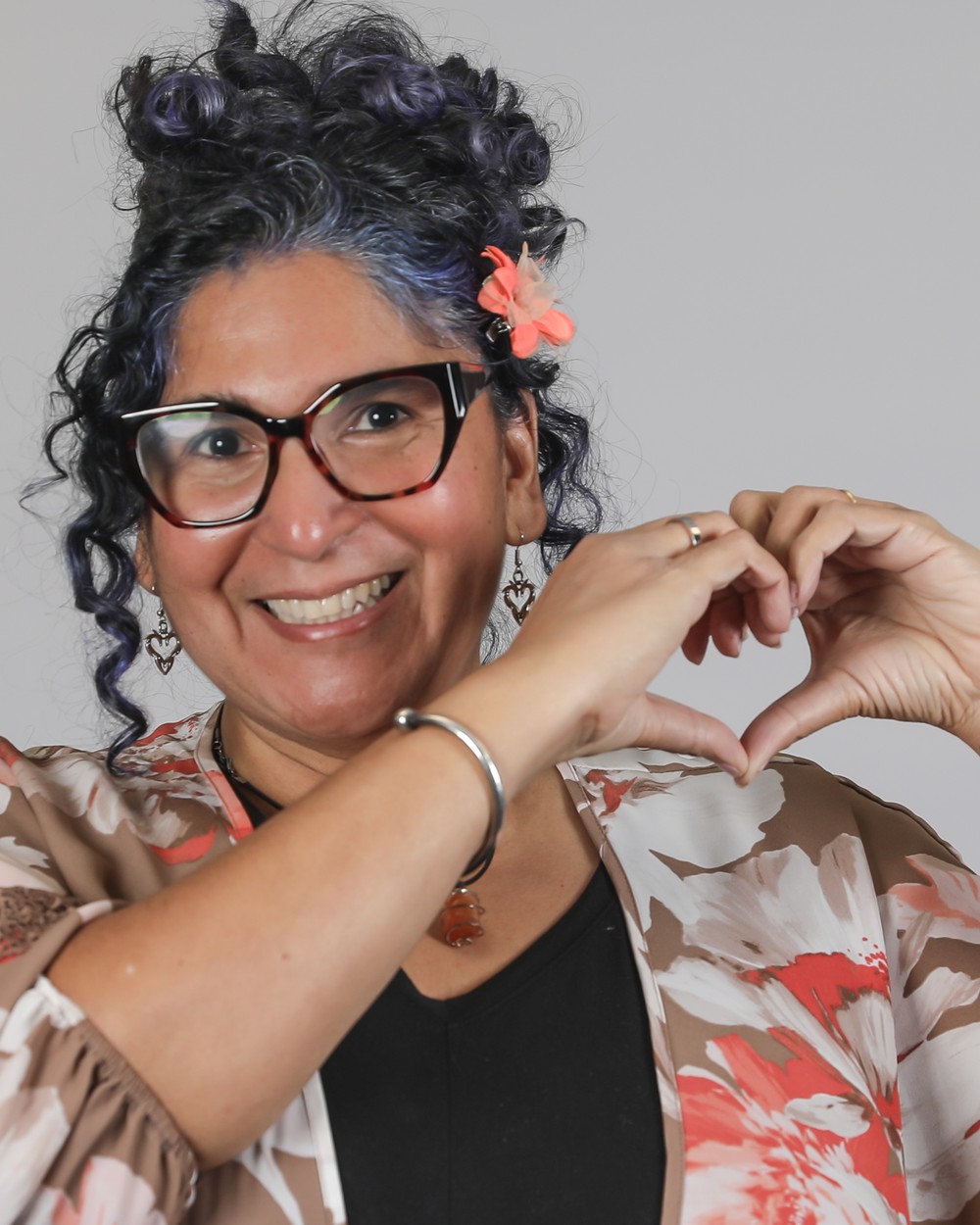
Stacy Casson
Life Coach, Things To Think About
Real strength means not giving up.