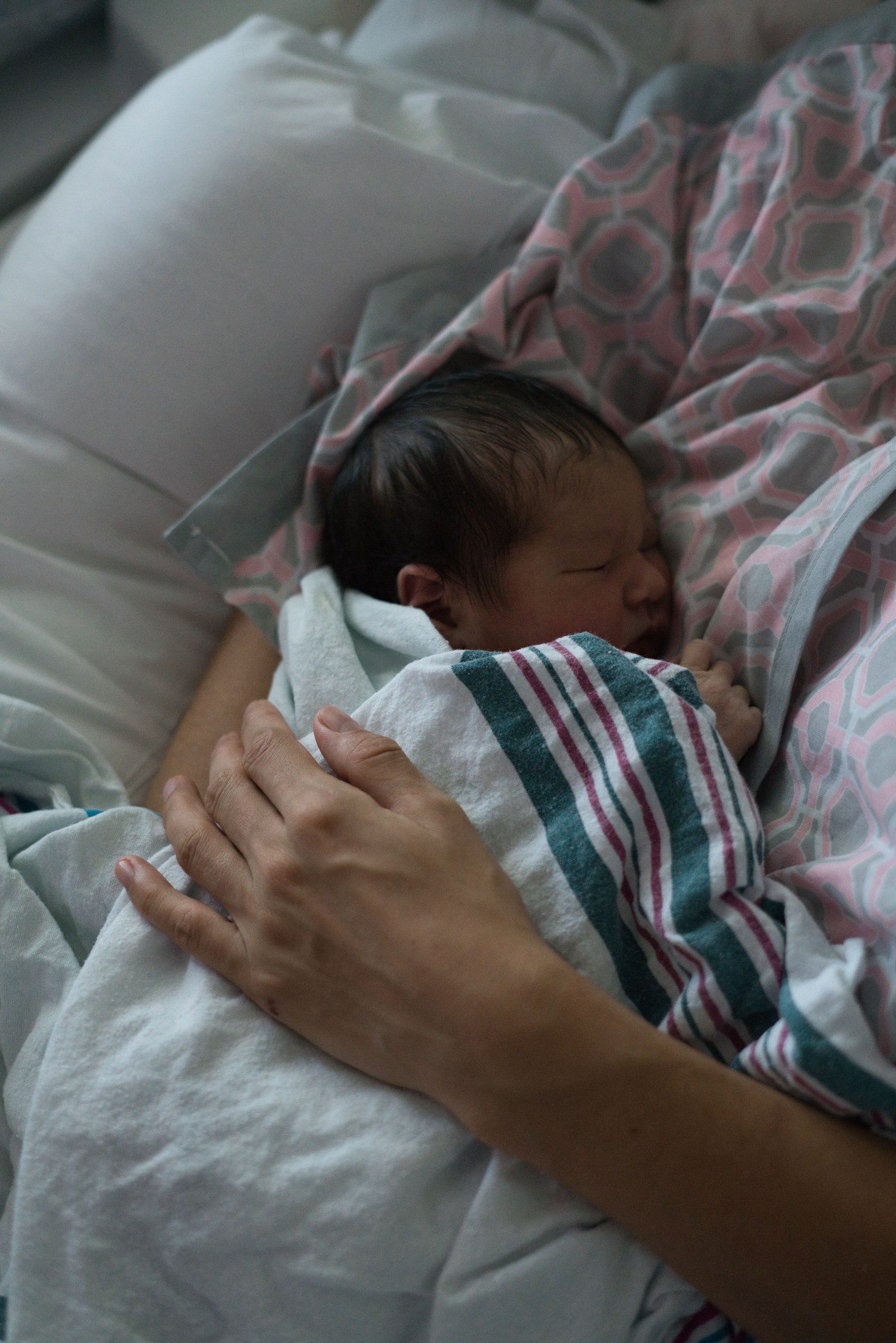
Ask a working mother what she'd do with an unexpected free afternoon, and watch how long it takes her to answer. Not because the answer doesn't exist, but because the question itself has gone unused for so long it takes a moment to locate. Years of being needed first and asked second, by children, by colleagues, by partners, by all the systems that learned to route their needs to her, can quietly erode the muscle that knows how to want something purely for its own sake. Working mom self care isn't really about baths and candles. It is about remembering that there is a "self" underneath all of this that has its own preferences, its own needs, its own claims on her time that don't require anyone else's permission.
What Years of Being Needed Does
A career and a family, both demanding, both real, both legitimately important, will between them fill every available hour if allowed to. This is not a complaint about careers or families. It is an observation about the hydraulics of time: need expands to fill available space, and a working mother with high standards in both domains tends to generate need in quantities that reliably exceed supply. What gets squeezed out, in most cases, is whatever doesn't belong to either role. Which is, of course, the self that exists independent of both of them.
This isn't a complaint about motherhood. It's an observation about what happens to a self that spends a decade or more organized primarily around other people's needs, a child's schedule, a partner's calendar, a team's deadlines, a household's logistics. The needs are real and often worth meeting. The self that meets them does not disappear in the meeting of them. But a self that is only ever responding eventually loses some fluency in initiating. The muscle atrophies not through disuse exactly, but through a long period in which it was never asked to function.
This shows up in small ways that accumulate. The difficulty naming, quickly and with confidence, what you'd like to eat for dinner when someone asks. The reflexive "whatever's easiest" to a question about your preferences. The slight blankness when a question is aimed at you, at you specifically, not at the role you're currently occupying, and the small delay before the answer comes, if it comes at all.
The Question Underneath the Question
The question "who are you when no one needs anything from you" isn't really about free time. It isn't a scheduling problem that gets solved by calendaring a spa day. It is a question about identity, about whether there's still a version of self underneath the roles that isn't defined relationally, that exists independent of being useful to someone else in the room. It is asking: what are you for, as yourself, separate from what you provide?
For many women, this question has become hard to answer not because the answer has disappeared but because it's been a long time since anyone asked it, or since they asked it of themselves without immediately redirecting the attention somewhere it felt more justified. The woman who wanted to write before she had children. The woman who used to run on weekday mornings, not as exercise, but because the early streets and the quiet mattered to her. The woman who had opinions about art, about food, about politics, about the particular way light comes through a window at 5pm in October, opinions that predated any of the roles she currently holds.
Why It Matters That She Stays
It matters that she stays, the woman underneath the roles, not because the roles are less important but because the roles are only sustainable if there is someone behind them. A mother who has completely surrendered her own selfhood to the role is not a better mother. She is often a more depleted one, running on diminishing reserves, more susceptible to resentment, less able to offer the children she is raising a model of what it looks like to be a full person with your own desires and your own life. The same is true at work: a professional who has no inner life separate from her job tends to have less to offer the job over time, not more.
There is also a generational argument. For the working mothers raising daughters, and sons, what gets modeled matters. A daughter who grows up watching her mother ask for what she wants, protect time for what she loves, and live as a whole person rather than only as a mother and an employee, is learning something that will outlast any explicit lesson. A self that is only ever responding eventually loses some fluency in initiating. The antidote to that is demonstrated, not just described.
How It Comes Back
It rarely arrives as a grand epiphany. More often it shows up in small, unglamorous reclamations, an old hobby picked back up without justifying it to anyone, a Tuesday evening spent on something with no caregiving value whatsoever, a library card renewed for books that have nothing to do with parenting or productivity. A conversation with a friend that lasts two hours and covers none of the logistics of either of their lives and somehow leaves both of them feeling more like themselves than they have in months.
Small as they look, these are the moments where she remembers there was always someone in there who didn't need a reason. Someone who wanted things because she wanted them, not because they served anyone else's need. Getting reacquainted with her is not a luxury or a reward for finishing everything else first. It is the maintenance of the person who is doing all of this. She has always been the most important resource in the whole operation, and she is the one who most consistently gets put last.