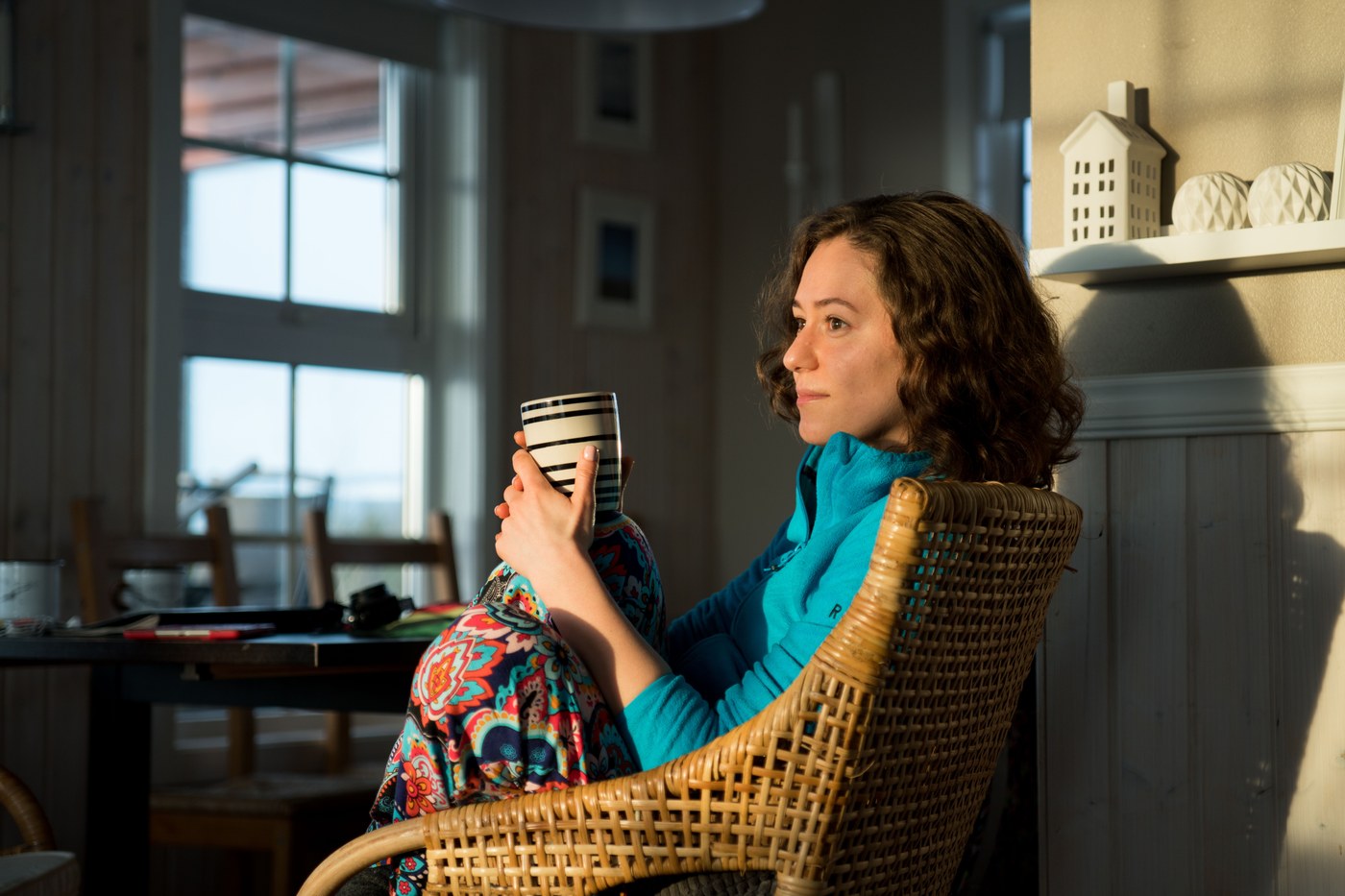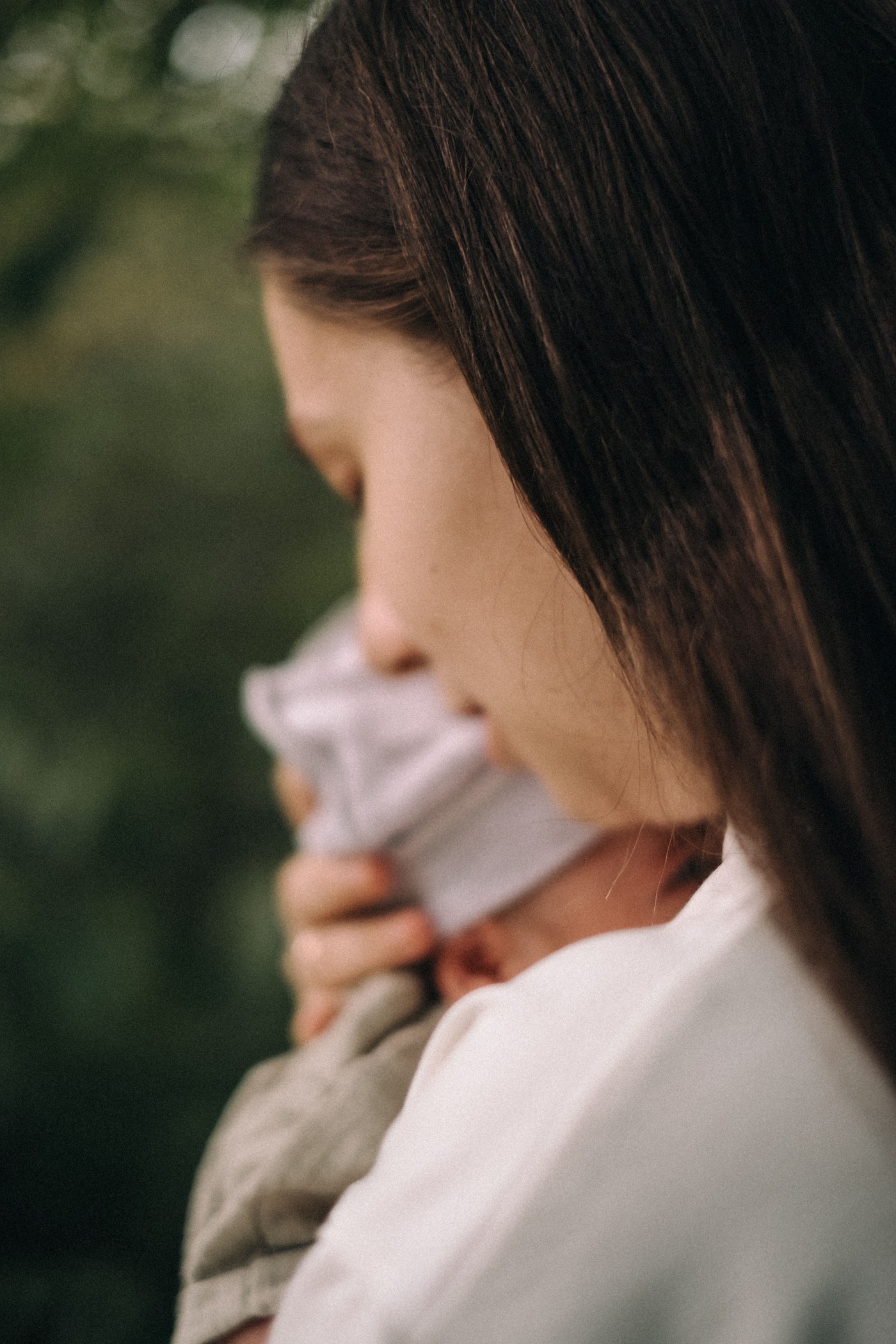
I love being a mother. I also refuse to disappear inside motherhood.
For years, I thought those two sentences were somehow in conflict. A good mother, I believed, was supposed to place her children at the center of everything and quietly move herself to the edge. Her ambitions could wait. Her plans could wait. Her exhaustion could wait. Her identity could wait.
Children grow quickly, people say. You will have time for yourself later.
But how much of a woman is supposed to remain when “later” finally arrives?
I am raising two daughters, and that question has become increasingly important to me. I want them to know that love can be enormous without requiring self erasure. I want them to see that a woman can care deeply for other people and still have desires that belong only to her.
I want meaningful work. I want financial independence. I want to write. I want my work to be read. I want opportunities. I want to walk into rooms that once seemed intended for other people and know that I have every right to be there.
None of those desires makes me less of a mother.
In fact, I have started to believe that allowing my daughters to see my ambition is part of mothering them.
Children learn from the lives we live in front of them. I can tell my daughters to believe in themselves, to build careers, to ask for fair pay, to protect their boundaries and to take their dreams seriously. But if they watch me abandon every dream of my own, what will they actually learn?
I do not want to teach them that adulthood for women is a gradual process of becoming indispensable to everyone except yourself.
Motherhood asks a lot from women, often in ways that are invisible. We remember appointments, school matters, shopping lists, emotions, deadlines, clothes that suddenly no longer fit, forms that need signing, and the thousand small pieces of information that keep a family moving.
That work matters. But somewhere inside all that competence, there is still a person.
She should not have to disappear to prove that she loves her children.
I used to associate maternal strength with endurance. A strong mother handled everything. She did not complain. She found a solution. She kept going.
Now I think strength can also mean refusing to abandon yourself.
It can mean admitting that you want more than survival. It can mean applying for the opportunity, changing direction, learning something new, asking to be paid properly, or beginning a career chapter at an age when society quietly suggests you should already have everything figured out.
I am not starting from zero. That phrase matters to me.
When a woman changes direction later in life, people often describe her as starting over. But experience does not vanish because the plan changes. Every mistake contains information. Every difficult year teaches something about boundaries, people, risk, courage and endurance.
At twenty, I had more time. Now I have more information. I want my daughters to see that too.
I want them to understand that a woman's life does not close because one version of it did not work. She can build another version. She can change careers. She can discover an ambition late. She can become visible after years of feeling invisible. And she does not need to apologize for wanting success.
Women are still remarkably good at softening ambition. We say maybe. We say we will see. We say we are just trying something. We receive compliments and immediately explain why we do not deserve them.
I am trying to stop doing that. I want my daughters to hear me say, “I am proud of this.”
I want them to see me submit the work instead of keeping it hidden until it becomes perfect. I want them to see me risk rejection. I want them to know that confidence does not mean believing you are better than everyone else. It means believing you are allowed to participate.
Motherhood did not erase my ambition. It made the question of what I do with it more urgent.
One day my daughters will build lives of their own. When they do, I do not want their strongest memory of womanhood to be a mother who loved them by slowly disappearing.
I want them to remember a woman who loved them fiercely and remained fully alive. A woman who was present for them and present in her own life. A woman who could say, without guilt, that motherhood was one of the most important parts of her identity, but never the only one.
I became a mother. I did not stop being a woman. I did not stop having a voice. I did not stop wanting a future that belongs to me too.
And I refuse to teach my daughters that love requires anything less.
Justyna Majewska is a Polish writer whose personal essays explore motherhood, ambition, identity, recovery, disability, voice, and rebuilding a life through change.